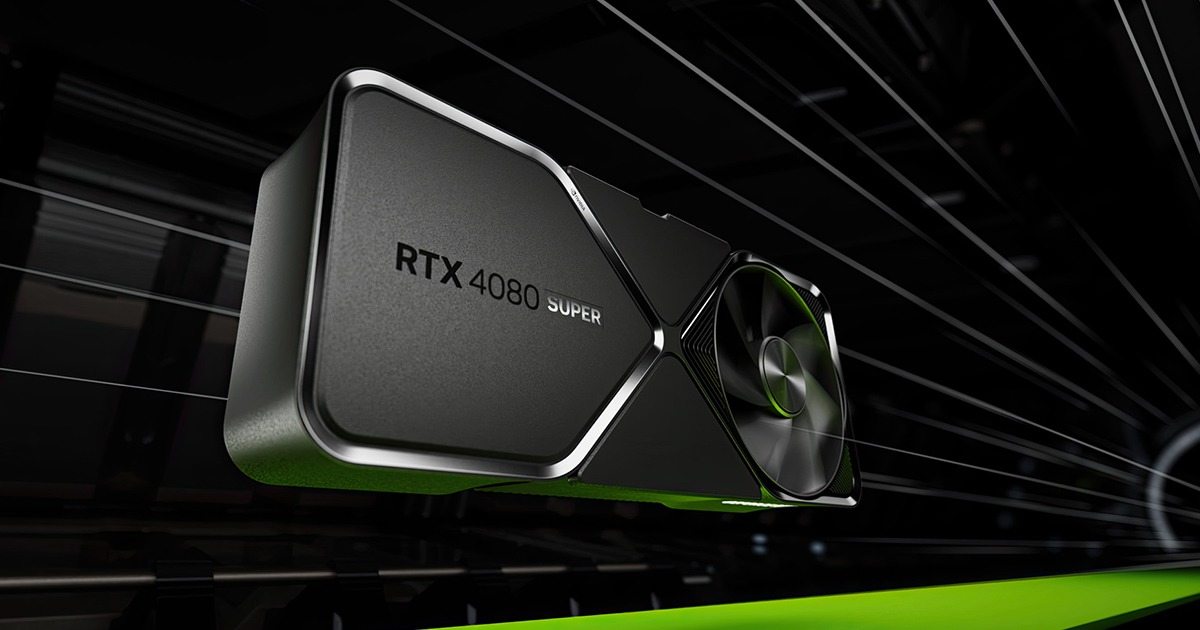
Nvidia’s Latest Move: RTX 4080 Super Leak
The tech world is abuzz with rumors of Nvidia’s upcoming RTX 4080 Super graphics card. The GPU’s PCI ID has been found in a driver repository, signaling the possibility of a more powerful version of the existing RTX 4080. While the leak suggests that Nvidia could activate 512 disabled shaders, many users are left questioning whether this incremental upgrade justifies buying a new card—especially at the expected price point of $1,200. This isn’t the first time Nvidia has introduced a “Super” version at the same price, as seen with the RTX 2080 Super back in 2019.
However, many enthusiasts feel a growing sense of frustration with these minor upgrades. The launch of these cards doesn’t seem to carry the same excitement as previous years, with many expressing fatigue over the high prices and small improvements.
Qualcomm’s Snapdragon X Elite: Promising Performance?
At the recent Snapdragon Summit, Qualcomm made bold claims about their Snapdragon X Elite processors. Performance tests shared by various outlets, like Windows Central, reveal that both the 23W and 80W variants of the chip performed exceptionally well, outperforming top laptops using Intel and AMD processors. Despite these impressive benchmarks, Qualcomm’s real challenge will be overcoming Windows 11’s suboptimal performance on ARM processors.
Qualcomm is clearly positioning the X Elite as a major competitor in the ARM-based laptop market, but much will depend on Microsoft’s ability to improve ARM compatibility within Windows. Otherwise, the impressive benchmarks might not translate into a seamless user experience when these laptops hit the market next year.
Meta Introduces Paid Subscription in the EU
In a move designed to comply with EU regulations, Meta has launched a new subscription service for Facebook and Instagram users within the European Union. For €10 per month on desktop or €13 on mobile devices, users can opt out of ads. This shift is seen as an effort to appease regulators concerned about Meta’s data collection and ad targeting practices. This service is currently limited to users aged 18 and up, while teenage users will temporarily stop seeing ads.
The introduction of this paid option reflects ongoing debates around privacy, data collection, and tech companies’ monetization strategies. However, it also raises questions about how Meta will sustain its advertising revenue model if more regions start adopting similar regulations.
AI and Tech Security: A Growing Focus
In light of recent developments in AI, the White House has issued an executive order calling for greater transparency in AI model development and the labeling of AI-generated content. This move aims to address concerns about the safety and security of AI technologies, especially those with the potential to impact public safety, civil rights, and national security. AI developers will now be required to share critical information with the government, ensuring that future AI models meet specific safety standards.
On the hardware side, Google has introduced a unique approach to using earbuds as heart rate monitors. Through a technology known as audio plethysmography (APG), these earbuds can send out ultrasound signals and pick up the user’s heart rate using built-in microphones. This innovative approach could signal a new era of wearable health technology, offering users more insights into their health without the need for additional devices.
Conclusion
As Nvidia’s RTX 4080 Super leaks create excitement in the GPU space, Qualcomm’s Snapdragon X Elite processors are set to challenge the dominance of Intel and AMD. Meanwhile, privacy concerns and the rapid advancements in AI continue to shape the future of tech regulation. Stay tuned for more updates as these developments unfold!