Apple Introduces M3, M3 Pro, and M3 Max at the “Scary Fast” Event
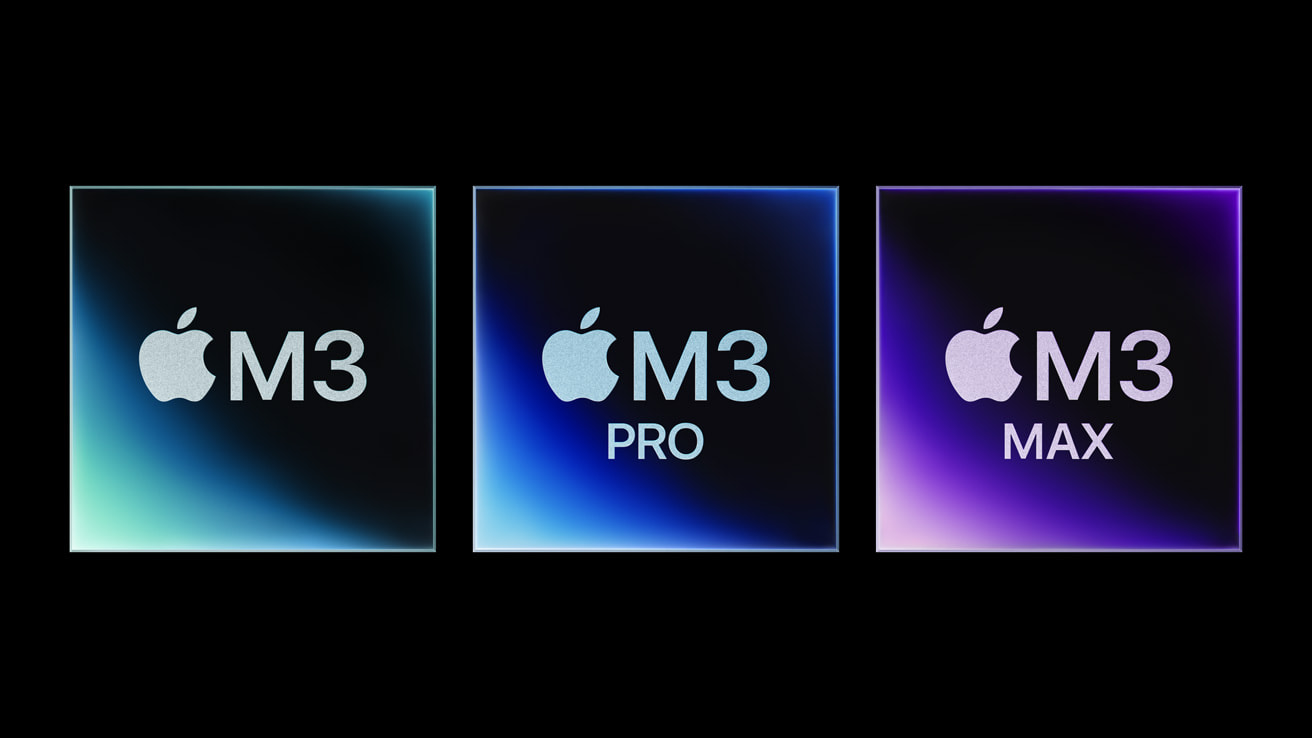
In a significant move for the tech industry, Apple has officially launched its latest M3, M3 Pro, and M3 Max chips during the Scary Fast event. This marks the first time Apple has introduced three chip variants simultaneously, signaling their aggressive push into the computing and gaming space. The focus this time? Gamers.
The new chips, designed for use in Macs, are equipped with enhanced GPU capabilities. Notably, these chips now support modern gaming technologies like hardware-accelerated ray tracing and mesh shading, making them more competitive with gaming systems powered by Nvidia and AMD. Apple also introduced a new term, Dynamic Caching, which is designed to boost GPU performance by managing memory allocation more efficiently. While this may sound like tech jargon to casual users, it’s a significant leap in terms of performance for gaming on Macs.
This focus on GPU enhancements clearly shows Apple’s intention to attract gamers, a demographic that historically hasn’t associated Macs with high-performance gaming. Apple’s decision to unveil all three chip variants at once is part of a broader strategy to capture a larger market share in both computing and gaming.
Performance Gains: What the Numbers Say
The M3 lineup is reportedly 15% faster than the M2 chips and 30% faster than the M1 series. This may not sound groundbreaking, but these incremental improvements, especially on the GPU side, make a difference for users engaging in graphic-heavy applications like gaming, video editing, and 3D rendering.
One of the products benefiting from this new chip is the 24-inch iMac, which didn’t receive an M2 update but now features the M3 chip. Apple has also refreshed its 14-inch and 16-inch MacBook Pros to include these new chips. Interestingly, the 14-inch MacBook Pro offers a “vanilla” M3 version that has two Thunderbolt 4 ports instead of three, setting it apart from the more powerful M3 Pro and Max versions.
Still No USB-C for Some Apple Accessories
Despite the move to USB-C with the iPhone 15, Apple’s Magic Mouse, keyboard, and trackpad are still using Lightning connectors. This inconsistent approach could confuse users who expect uniformity across all Apple products. However, this also shows Apple’s phased transition toward USB-C, which might become more widespread in future iterations.
Microsoft Faces Backlash Over AI Polls
While Apple was focused on hardware announcements, Microsoft found itself embroiled in controversy. The company faced criticism after its AI-generated poll—placed next to a tragic news story on Microsoft Start—asked readers to speculate whether a young Australian woman’s death was a result of murder, suicide, or accident. The insensitive placement of this poll, generated through AI, caused public outrage, leading Microsoft to deactivate its AI-generated polls for news articles.
This incident raises critical questions about the over-reliance on AI in sensitive situations, especially when human oversight is lacking. Microsoft’s move toward AI-powered content curation has been a topic of debate ever since the company laid off many of its human editors and journalists in favor of automated systems.
The Gaming Community’s Reaction to Apple’s Moves
Apple’s newfound focus on gaming with the M3 chips could finally break the long-standing perception that Macs aren’t suited for gaming. The introduction of ray tracing—a technology that dramatically improves lighting, reflections, and shadows in games—puts Apple in direct competition with gaming PCs powered by Nvidia and AMD.
However, while the technology looks promising on paper, there’s still a question of whether developers will be motivated to optimize their games for Macs. Traditionally, the gaming industry has focused on developing for Windows-based PCs due to their widespread use and compatibility with various gaming platforms. Apple’s chips may have the hardware capabilities, but if developers don’t support the platform, the adoption rate among gamers could remain limited.
Supreme Court Tackles Social Media Blocking
In a case that has implications for free speech in the digital age, the U.S. Supreme Court is hearing arguments about whether public officials can block critics on social media platforms. The case centers on whether a government official’s use of social media for official communications turns those accounts into public forums, making it illegal for them to block users based on differing views.
This case, though seemingly unrelated to tech hardware, highlights a broader discussion about the intersection of technology, free speech, and government regulation. As social media becomes an integral part of communication between public officials and citizens, decisions like these could have far-reaching consequences on how government officials manage their online presence.
Google’s Push for RISC-V Architecture in Android
Meanwhile, Google is preparing to support RISC-V as a Tier 1 architecture for Android in 2024, making it a direct competitor to ARM. This could potentially reduce Google’s reliance on ARM, as RISC-V is an open-source architecture. If Google successfully implements RISC-V, it could shake up the processor market, especially given the rising demand for open-source solutions.
The Rise of Electric School Buses
On a completely different front, Green Power Motor Company has unveiled its new electric school bus, the Mega Beast, with a 387 kWh battery and a range of 300 miles. While not directly related to gaming or personal computing, this development reflects the growing trend of electrification in all forms of transportation, and it’s a sign that electric vehicle technology is rapidly evolving, even for larger vehicles like buses.
Conclusion
Apple’s M3 chips mark a significant step forward in their ambition to cater to gamers and creators. The increased GPU capabilities, coupled with features like Dynamic Caching and ray tracing, signal that Apple is serious about making Macs gaming-ready. However, challenges remain, particularly in convincing developers to build and optimize games for macOS.
Meanwhile, companies like Microsoft and Google continue to face their own tech challenges, from navigating AI controversies to pushing forward new architectures like RISC-V. As we move into 2024, the tech industry’s rapid pace of innovation shows no signs of slowing down, and these developments will shape the future of both gaming and broader technology use.