The Dawn of ARM Competition: Qualcomm vs Apple
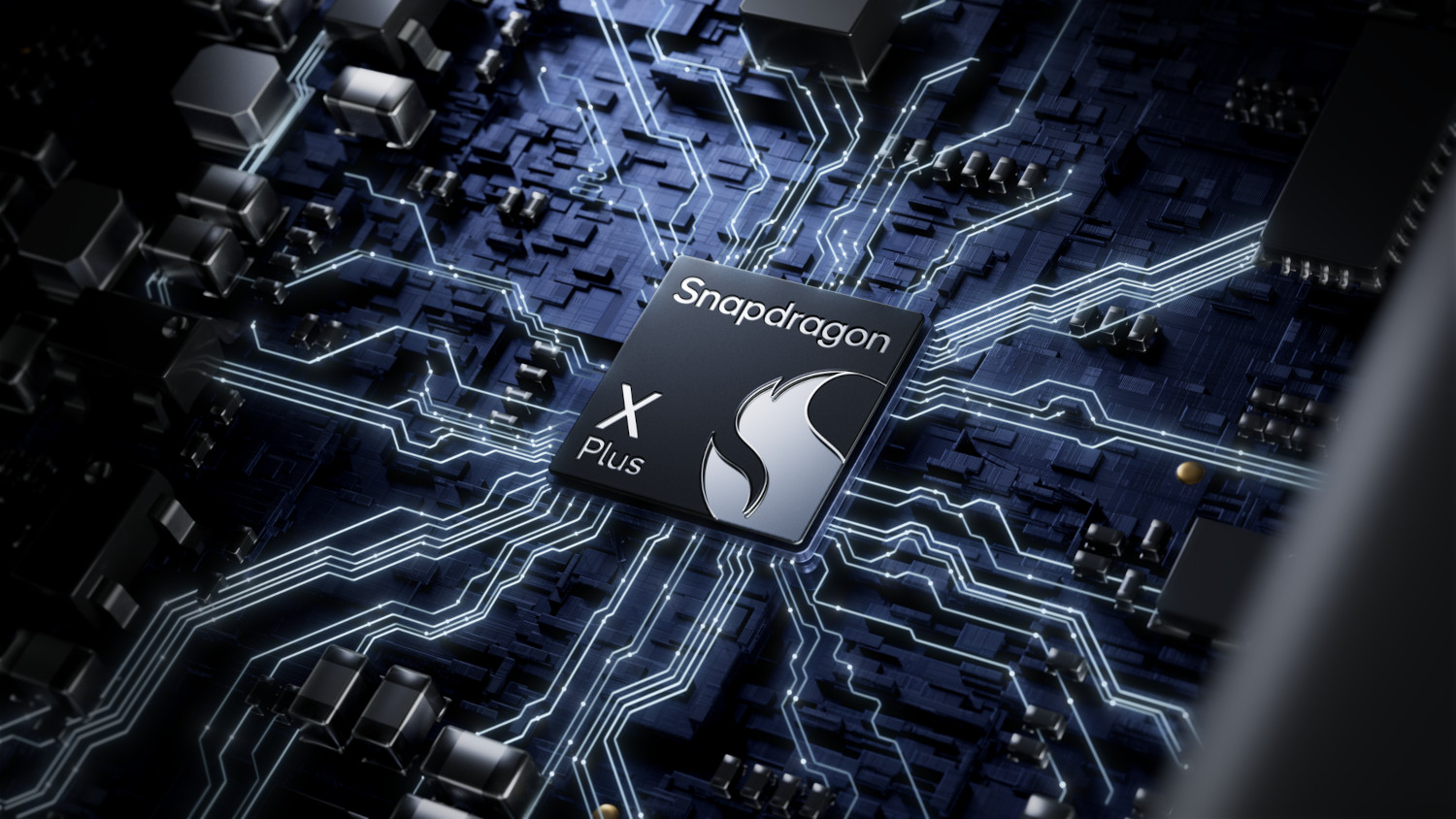
In a significant move for the tech industry, Qualcomm has announced its new Snapdragon X Elite processor, a powerful ARM-based chip designed for laptops. This new entry comes with 12 Orion cores, which promise to deliver triple the performance of Qualcomm’s previous-generation HCX Gen 3 processors. Qualcomm has confidently positioned the X Elite as a direct competitor to Apple’s M2 Max, especially for single-threaded applications like Geekbench on Linux.
The emergence of a true contender in the ARM desktop processor space marks a pivotal moment for competition. Apple, who has long reigned supreme with its proprietary ARM-based chips like the M1 and M2 series, finally faces a challenge from a serious player. This is especially important as ARM architecture grows in popularity, not just on Apple devices but across the tech ecosystem.
ARM Expansion Beyond Apple: What It Means for the Market
ARM processors have been highly successful within Apple’s ecosystem, but Qualcomm’s X Elite represents a crucial opportunity for ARM to break into the wider Windows market. With Microsoft working to make Windows 11 more compatible with ARM chips, the future looks bright for ARM-based devices on a broader scale. Qualcomm’s Orion cores are expected to make their way into Android devices as early as 2024, further extending the reach of ARM architecture.
The timing is also significant: Qualcomm’s exclusivity deal with Microsoft for ARM chips is set to expire soon, meaning we could see even more players enter this space. Companies like Nvidia and AMD are rumored to be working on their own ARM-based desktop processors, further intensifying competition.
GPU News: Nvidia’s RTX 40 Super Series Leaks
In other tech news, rumors are swirling about Nvidia’s potential new RTX 40 Super Series graphics cards. Leaks suggest that RTX 4070 Super and RTX 4080 Super models could be in the works, boasting larger memory capacities and higher memory buses than their standard counterparts. These graphics cards, if they materialize, are expected to cater to high-end users looking for top-tier performance, though pricing could be steep.
Nvidia’s return to using the “Super” branding, last seen with the RTX 2080 Super in 2020, signals a refresh of their lineup. However, given the volatile nature of tech releases and past unreleased rumors, there’s always room for speculation.
The Right to Repair Movement Gains Momentum
Another major piece of news is Apple’s surprising endorsement of the White House’s national right to repair bill. In a shift from its earlier policies, Apple has pledged to make its parts, tools, and documentation available to consumers and independent repair shops across the United States. This move follows a similar right-to-repair law passed in California, and if the national bill passes, it could set a new standard for consumer rights in tech repair.
While this is a positive development for tech users, many are cautious about how software locks and other restrictions might still pose challenges for repairs, even with this new legislation.
Conclusion
Qualcomm’s entry into the ARM desktop space with the Snapdragon X Elite signals a transformative moment in tech, where ARM-based processors are set to expand beyond Apple’s domain. Meanwhile, Nvidia’s potential new GPU lineup and Apple’s right-to-repair endorsement highlight the continued evolution of both hardware and consumer rights in the tech industry.
Stay tuned for more developments in these exciting times for technology!