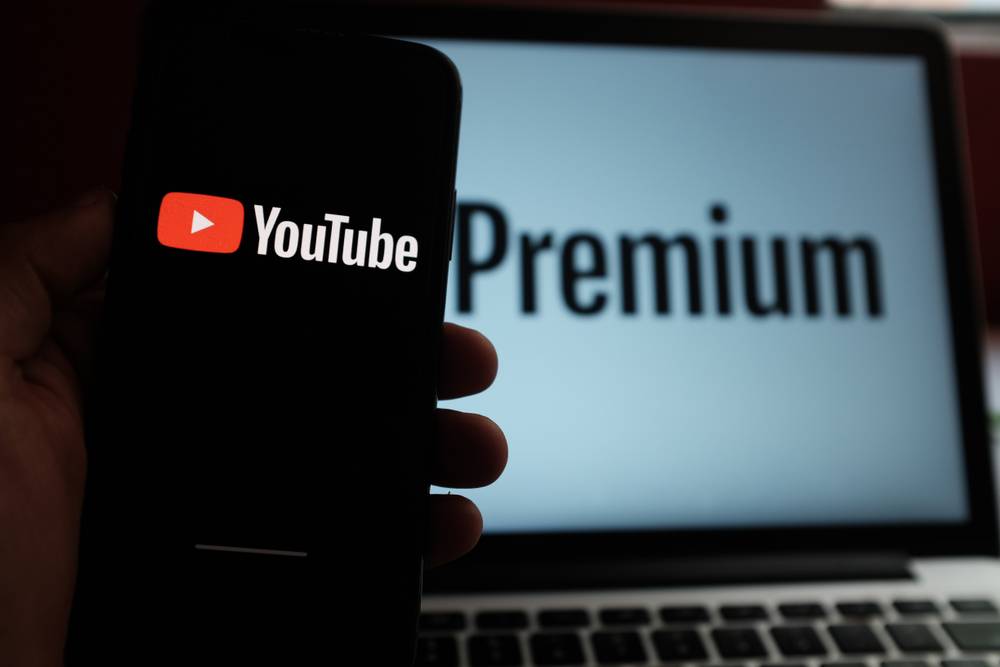
YouTube recently reintroduced a controversial “Premium Lite” subscription, sparking a mix of excitement and skepticism within its user base. Premium Lite, initially introduced and then quietly withdrawn about a year ago, was originally a more affordable alternative to the full YouTube Premium subscription. The previous version of Premium Lite provided ad-free viewing at a reduced price but lacked features like background play and downloads. This latest iteration, however, comes with a twist: it offers fewer ads instead of an ad-free experience.
The move appears to be a test, with users in select regions, such as Australia, Germany, and Thailand, seeing Premium Lite with “limited ads.” Screenshots shared by musician Jonah Monzano and others reveal that the limited ads focus primarily on YouTube Shorts and music content, while other ads might surface in searches or browsing areas. The structure has raised questions about YouTube’s motivations, user experience implications, and the broader trend of “lite” versions in the subscription economy.
The Original Premium Lite: A Glimpse into its Past
YouTube Premium Lite was originally conceived as an option for users who wanted an ad-free experience but weren’t interested in paying for the full Premium package, which includes features like background play, video downloads, and access to YouTube Music. At approximately half the cost of YouTube Premium, Premium Lite initially attracted users looking for a no-frills, ad-free viewing experience.
However, Premium Lite was short-lived. Some speculated that the absence of other features, such as downloads and background play, made it less attractive, while others pointed to YouTube’s difficulty in striking the right balance between revenue generation and user satisfaction.
The Return of Premium Lite – But With a Twist
Now, Premium Lite is back in select regions, but it comes with “limited ads” rather than being completely ad-free. The current pricing remains around half that of YouTube Premium, yet it’s not the ad-free experience users had come to expect from any form of “Premium” subscription.
In this latest iteration, limited ads reportedly apply to YouTube Shorts and music content, with non-intrusive ads appearing in searches or browsing. YouTube appears to be experimenting with whether users might tolerate a slightly “lighter” ad experience at a reduced price, and how this change might impact overall revenue.
This has sparked significant debate, with many users expressing confusion and disappointment over a Premium subscription that still includes ads, questioning whether this is still a Premium experience.
For many users, a “Premium” label implies an ad-free experience. So, the new Premium Lite offering, which still includes ads, may feel contradictory to those expectations. Many users are skeptical about paying for a service that retains any form of advertisement, even if those ads are less frequent or less intrusive.
Furthermore, users who have grown accustomed to the standard ad-free Premium experience may see limited ads in Premium Lite as a step backward, rather than a step toward more accessibility. YouTube’s test of “Premium Lite with ads” has drawn comparisons to similar moves made by other streaming giants, such as Netflix, which recently introduced ad-supported tiers to reach broader audiences at lower price points. However, for YouTube, a platform where ads are traditionally ubiquitous, even a limited-ad experience may feel like too little value for the price.
The decision to reintroduce Premium Lite with limited ads aligns with a broader trend in the streaming industry, where companies are exploring “lite” versions of subscriptions to capture users who are price-sensitive but still seek an enhanced experience. YouTube’s rationale may hinge on increasing revenue in a way that meets the expectations of budget-conscious users. By offering a reduced-ad experience instead of going entirely ad-free, YouTube can retain ad revenue even from paying subscribers.
Moreover, YouTube might be positioning Premium Lite as an option for users who primarily consume YouTube Shorts and music content, as these are areas of the platform that are more ad-laden. In this way, users could experience reduced ad loads without a full commitment to the higher cost of YouTube Premium.
Balancing Revenue and User Experience
This new Premium Lite experiment highlights the balancing act streaming platforms face between revenue and user experience. YouTube’s core value proposition of a “premium” experience has traditionally been ad-free content, but with the introduction of ads—even limited ones—in Premium Lite, YouTube is redefining what it considers to be premium.
Some users argue that YouTube could have approached Premium Lite differently by further reducing the price or by offering more flexible features, such as background play without downloads, instead of compromising on the ad-free component. Yet, ad revenue remains vital for YouTube, and limited ads in Premium Lite allow YouTube to capture revenue from both subscription fees and advertising without sacrificing the complete ad-free experience of its full Premium tier.
YouTube describes Premium Lite as a “test,” but for many, this test seems geared more towards revenue maximization than user experience. The presence of ads, even limited ones, may appear as an indication that YouTube is prioritizing profits over user comfort. With this reintroduction, YouTube faces the challenge of communicating that Premium Lite is distinct from other tiers without undermining the perceived value of the full Premium experience.
Some argue that YouTube could benefit from a clearer, more tiered structure to its subscriptions. For instance, offering multiple mid-range plans, such as a “Lite Plus” tier with additional features like background play but with limited ads, might attract a broader user base. This approach might make Premium Lite seem less like a pared-down version and more like a part of a thoughtfully segmented suite of options.
Lessons from Competitors in the Streaming Industry
The streaming industry at large has seen a shift toward more ad-supported options. Services like Netflix, Disney+, and HBO Max have all introduced cheaper, ad-supported tiers to diversify their offerings and make their services more accessible to a broader audience. YouTube’s new Premium Lite could be seen as part of this broader trend, though its positioning is unique given that YouTube was initially built as an ad-supported platform, unlike the primarily subscription-based model of most streaming services.
Unlike Netflix or Disney+, YouTube has traditionally been a free platform supported by ads. Thus, some users may feel that any paid version of YouTube, particularly one labeled as “Premium,” should provide a more drastic reduction in ads.
As YouTube continues to test Premium Lite, it’s likely to monitor user reactions closely. If successful, Premium Lite could eventually become a stepping stone that converts more free users into paying subscribers. This strategy could ultimately boost YouTube’s subscriber base, bringing more revenue from users who may not have considered a full Premium subscription due to price.
Should Premium Lite prove unsuccessful or unpopular, YouTube may have to reassess its approach to mid-tier offerings. For example, YouTube could introduce flexible payment options, limited-time trials, or more defined benefit tiers to refine the Premium experience. These approaches might ease users into the paid ecosystem without compromising their expectation of a truly ad-free experience.
Final Thoughts
The reintroduction of YouTube’s Premium Lite with ads brings to light an essential question for streaming platforms: What defines a “premium” experience? YouTube’s choice to add limited ads to its Lite version challenges conventional definitions and opens a conversation about whether price-sensitive models should balance cost with the quality of the viewing experience.
For now, YouTube Premium Lite remains an experimental offering with mixed reception. Whether YouTube chooses to move forward with this ad-laden Premium Lite or make further adjustments, one thing is certain: the evolving landscape of streaming and subscription services is prompting platforms to rethink what their “lite” offerings can and should provide. The ultimate goal remains the same—attracting and retaining a loyal user base, though the path to achieving it is more diverse than ever.