The tech world is a dynamic space, with innovations and controversies emerging at every turn. From the anticipated end of GPU mining with Ethereum’s shift to a new model to the latest advancements in VR and gaming, there’s a lot to unpack. Here’s a deep dive into the most significant tech stories of the week.
1. Ethereum’s Shift: The End of GPU Mining?
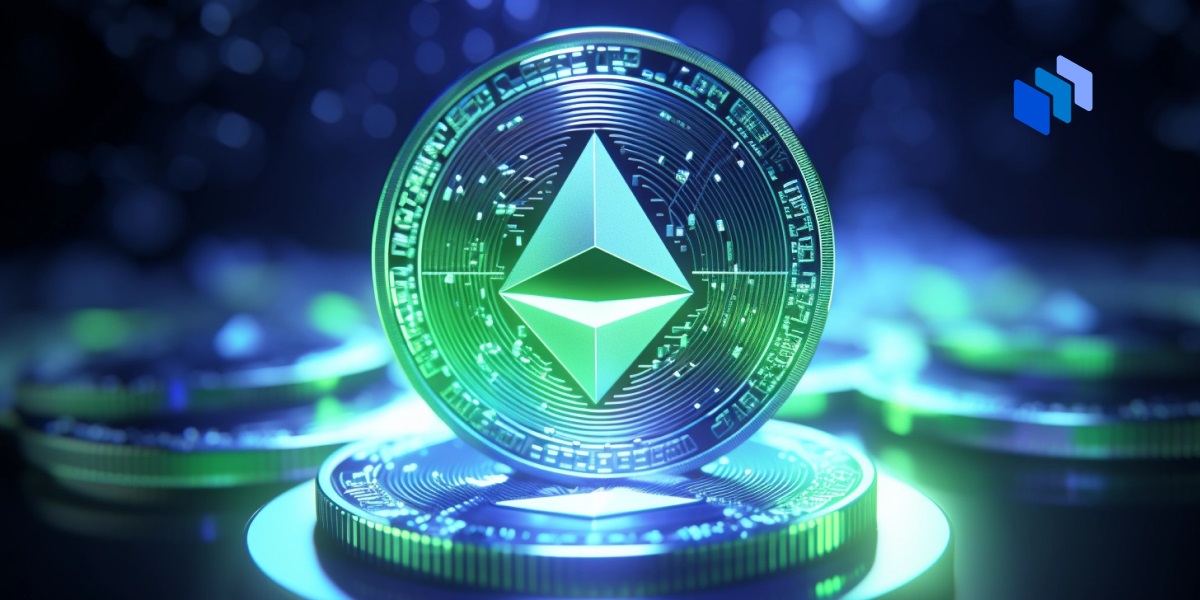
Ethereum, one of the most popular cryptocurrencies, is on the brink of a significant transformation. The platform is transitioning to a proof-of-stake model, which could spell the end for GPU mining. This move is not just a technical shift but also an environmental one. Ethereum’s current proof-of-work model is energy-intensive, and the switch aims to reduce the blockchain’s energy consumption by over 99%. While this is a positive step towards a more sustainable crypto ecosystem, it also means that GPU miners will need to look for alternative cryptocurrencies or consider other uses for their hardware. The broader implications of this shift on the crypto mining industry remain to be seen.
2. Nvidia RTX 4090: The Next Big Thing in Graphics?
The rumor mill is buzzing with anticipation for Nvidia’s RTX 4090. Recent leaks suggest that the graphics card might be launching soon, with some speculating an October release. Two new versions of the card have been spotted, including a quad-slot design from Lenovo and another from Gigabyte. The RTX 4090 is expected to be a significant upgrade from its predecessors, and if the rumors hold, gamers and professionals alike have a lot to look forward to. The upcoming Nvidia event, Project Beyond, scheduled for September 20th, might shed more light on what’s in store.
3. PlayStation VR2: Sony’s Leap into Next-Gen Virtual Reality
Sony has given a sneak peek into its next-generation virtual reality headset, the PlayStation VR2. Initial hands-on reviews from various gaming sites and creators have been overwhelmingly positive. The VR2 represents a significant leap from its predecessor, boasting features like automatic IPD adjustments, high-resolution pass-through cameras, eye tracking with foveated rendering, and haptic feedback directly in the headset. While the design and features are impressive, the real test will be its performance in real-world gaming scenarios and how it stacks up against competitors like the Oculus Quest.