Mobile apps have redefined the way we live, work, and play. With the tap of a finger, these applications connect us to a world of information, entertainment, and utility that was once unimaginable. Let’s dive into the exciting realm of mobile apps.
1. What Are Mobile Apps?
Mobile apps, or applications, are software designed specifically for mobile devices such as smartphones and tablets. Unlike desktop software that requires installation on a computer, mobile apps can be downloaded directly from app stores like Apple’s App Store or Google Play. They are optimized for a smaller screen, touch navigation, and the unique features of mobile devices.
2. History and Evolution
The journey of mobile apps began with the first smartphones. However, it was the launch of Apple’s App Store in 2008 that truly kickstarted the mobile app revolution. The Android Market (now Google Play) followed suit, and together, they have transformed the tech landscape.
- Initial Phase (2008-2010): Early apps were simple, like calendars, calculators, and games.
- Rapid Growth (2011-2015): As smartphones became mainstream, apps for social networking, music, photography, and productivity soared in popularity.
- Maturity and Specialization (2016-Present): With millions of apps available, the focus shifted to refining user experience, security, and niche applications catering to specific needs.
3. Benefits of Mobile Apps
- Convenience: From ordering food to booking a cab, apps have made services more accessible and faster.
- Personalization: Apps can be tailored based on user preferences, offering a more relevant and engaging experience.
- Notifications: Real-time updates, whether for a new email or a sale on an e-commerce app, ensure users are always informed.
- Offline Access: Many apps can function without an internet connection, making them truly portable.
4. Categories of Mobile Apps
There are countless apps available today, but they can generally be categorized into:
- Utility Apps: Tools and utilities like calculators, flashlights, and productivity tools.
- Entertainment Apps: Streaming services, games, and interactive books.
- Educational Apps: Language learning, online courses, and children’s educational games.
- Lifestyle Apps: Fitness trackers, food delivery, and dating platforms.
- Business Apps: Tools for collaboration, project management, and customer relationship management.
- News & Magazines: Digital newspapers, magazines, and news aggregators.
5. App Development
Creating a mobile app requires careful planning and execution. The process typically involves:
- Idea Generation: Identifying a gap in the market or a unique proposition.
- Design: Crafting the user interface and experience.
- Development: Writing the code, taking into account different operating systems (iOS, Android).
- Testing: Ensuring the app works smoothly and is free from bugs.
- Deployment: Launching the app on platforms like the App Store or Google Play.
- Maintenance: Regular updates to keep the app current and functional.
6. Monetization Strategies
While many apps are free, developers employ various strategies to generate revenue:
- In-app Ads: Displaying advertisements within the app.
- Freemium Model: Offering basic features for free while charging for premium functionalities.
- In-app Purchases: Selling virtual goods or additional content.
- Subscription: Charging users on a recurring basis for continued access to content or services.
7. Future Trends
Mobile apps continue to evolve, and the future promises several exciting trends:
- Augmented Reality (AR) and Virtual Reality (VR) Apps: Enhancing real-world experiences with digital overlays or immersing users in virtual worlds.
- Internet of Things (IoT) Integration: Apps controlling smart devices, from home appliances to wearable tech.
- Artificial Intelligence (AI) and Machine Learning: Apps that learn from user behavior and provide predictive and personalized experiences.
Conclusion
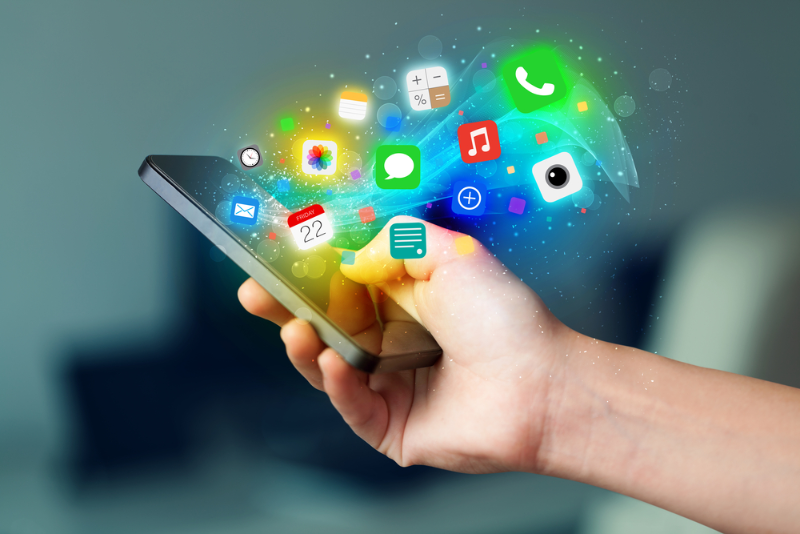
Mobile apps have profoundly impacted society, changing how we communicate, entertain, and conduct business. As technology advances, mobile apps will undoubtedly continue to play a central role in defining the digital age. Whether you’re a casual user or a tech enthusiast, there’s no denying the power and potential of the mobile app revolution.