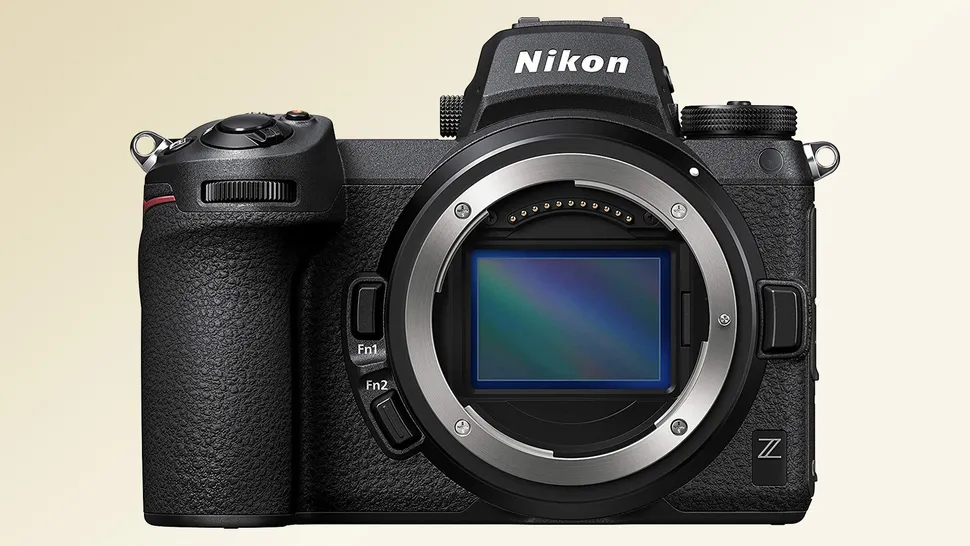
Photography has seen significant advancements throughout its history, and in the digital age, one of the most pivotal developments has been the rise of mirrorless cameras. These devices have quickly gained popularity among both amateur and professional photographers due to their myriad of benefits.
What is a Mirrorless Camera?
A mirrorless camera, as the name suggests, is a digital camera that operates without the use of a mechanical mirror to direct light from the lens to the optical viewfinder. Instead, it utilizes an electronic viewfinder or the main image sensor itself to display the image to the user.
Benefits of Mirrorless Cameras
1. Compactness and Weight Reduction Unlike DSLRs that require a mirror box and an optical pentaprism to direct light to the viewfinder, mirrorless cameras eliminate these components. This results in a smaller and lighter camera body, making it a favored choice for travelers and those looking for a more compact photography solution.
2. Faster Autofocus in Video Mode Mirrorless cameras can utilize on-sensor phase detection, offering faster autofocus during video shooting. This technology also enables smoother focus transitions and more accurate subject tracking.
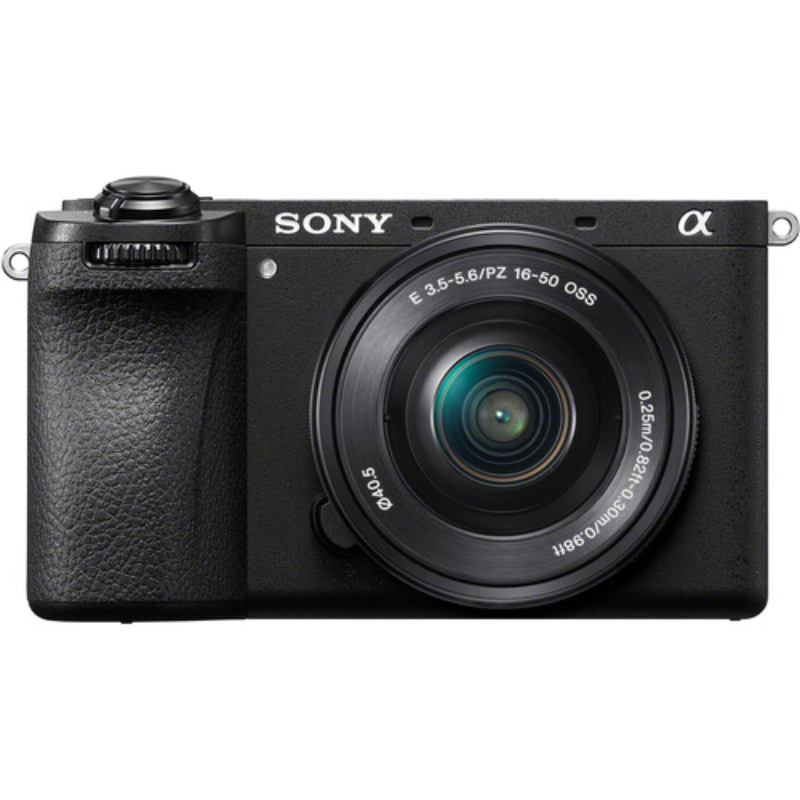
3. Enhanced Live View Experience The absence of an optical path in mirrorless cameras allows for a real-time electronic display. This can include information overlays, real-time exposure previews, and other helpful features that are not possible with traditional DSLRs.
4. Adaptable with Multiple Lenses Mirrorless cameras offer the flexibility of using different lenses, even those from other manufacturers or older film cameras, with the help of appropriate adapters.
Potential Limitations
While mirrorless cameras present various advantages, they also have some limitations:
1. Battery Life Due to the continuous use of the electronic viewfinder or the screen, mirrorless cameras often have shorter battery life compared to DSLRs.
2. Electronic Viewfinder (EVF) Lag Some photographers find that there’s a slight lag in the EVF, especially in low-light situations or when capturing fast-moving subjects.
3. Limited Lens Selection (Initially) Though the situation is rapidly improving, earlier adopters of mirrorless systems often found a more limited selection of native lenses. However, as the technology has grown in popularity, more manufacturers are producing lenses for these cameras.
Choosing the Right Mirrorless Camera
When shopping for a mirrorless camera, there are several factors to consider:
1. Sensor Size Mirrorless cameras come in various sensor sizes, including full-frame, APS-C, and micro four thirds. A larger sensor generally delivers better image quality, especially in low light, but also comes with a higher price tag and larger lenses.
2. Lens Availability Ensure the system you’re investing in has a wide variety of lenses available for your photography needs, whether it be landscapes, portraits, or macro photography.
3. Features and Specifications Features such as in-body image stabilization, 4K video recording, high burst rates for sports photography, and other specs can be crucial depending on your photographic needs.
4. Budget Mirrorless cameras range from entry-level to professional-grade with a corresponding range in price. Determine what features are essential to you and find a camera that fits within your budget.
Conclusion
Mirrorless cameras represent a significant shift in the world of photography. They offer numerous advantages over traditional DSLRs, including compactness, faster autofocus in video mode, and a superior live view experience. While they do have certain limitations, the technology is continually evolving, with manufacturers releasing new models and lenses to overcome these challenges. Whether you’re a seasoned professional or a budding enthusiast, there’s a mirrorless camera out there that’s perfect for you. As with any tech investment, it’s essential to do your research and choose a camera that best suits your individual needs and budget.