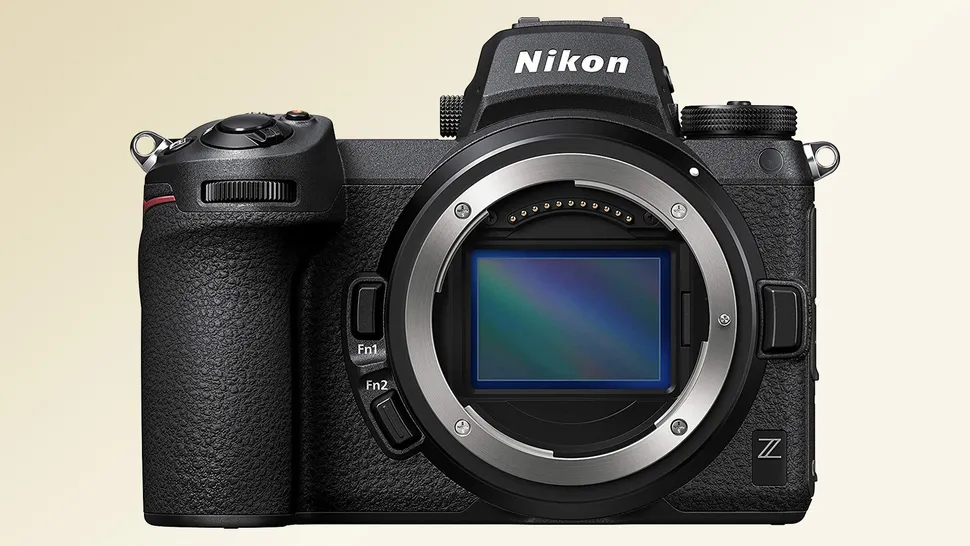
The Nikon Z8 has been making waves in the photography and videography community, and for good reason. This camera, while fundamentally a Z9 in essence, brings with it a host of improvements and features that make it stand out. Here’s a comprehensive review of the Nikon Z8, diving deep into its features, improvements, and overall performance.
1. Design and Ergonomics
The Z8’s body is notably smaller than the Z9, which means it comes with a smaller battery and has different heat dissipation characteristics. However, this smaller size is a win in terms of ergonomics. The camera is not as heavy as the Z9, feeling more like a DSLR body. It’s still on the larger side for a mirrorless camera but is incredibly comfortable, especially for those accustomed to cameras like the Nikon D850. The design is spacious, making it forgiving for those with larger hands.
The LCD screen, while not flip-out, boasts 2.1 million dots and offers ample mobility for tilting in various orientations. The button layout remains mostly unchanged, ensuring a familiar experience for Nikon users. While the body isn’t as weather-sealed as the Z9, it’s still highly resistant to adverse weather conditions.
2. Ports and Card Slots
The Z8 continues to feature the 3.5mm headphone and mic jacks, a full-sized HDMI port, and a USB-C port for power delivery. A significant addition is a second USB-C port dedicated solely for communication. This is particularly beneficial for those rigging out their cameras, as it eliminates the issue of having to choose between using the USB-C port for power or other functions.
In terms of storage, the Z8 deviates from the Z9 by offering one CFexpress slot (backwards compatible with XQD) and one SD card slot. While this might seem limiting in terms of backup recording with higher bitrate codecs, Nikon hasn’t yet implemented redundant recording in video, making the different card types a non-issue for video enthusiasts.
3. Battery and Overheating
The Z8 uses the smaller EL15c battery, common in many other Nikon cameras. This means that record times are somewhat limited compared to the Z9. When it comes to overheating, the Z8 performs reasonably well in controlled environments. For instance, when set to 8K24 with the H.265 codec, the camera can record for approximately one hour and 35 minutes before overheating. In 4K24, it can record for nearly two hours without overheating. However, for those looking to record long, uninterrupted clips, an external recorder is recommended.
4. Dynamic Range and Recording Modes
The Z8 offers a plethora of recording modes, from H.265 that supports up to 8K30 or 4K120, ProRes 422 HQ up to 4K60, ProRes Raw, to N-RAW. Each mode has its advantages and quirks. For instance, while the H.265 codec offers impressive dynamic range, it does exhibit some noise reduction artifacts, especially in the shadows. ProRes 422 HQ, on the other hand, provides a balance between image quality and usability, making it a preferred choice for many.
N-RAW, Nikon’s raw format, offers a baseline dynamic range before any noise reduction is applied, preserving more detail than ProRes. However, the large file sizes might deter some users. Overall, the Z8 provides flexibility in choosing the right codec based on the project’s requirements.
5. Autofocus and Other Features
The Z8’s autofocus system has seen improvements, with enhanced tracking and the addition of new subjects like “airplanes.” While it performs confidently in most situations, it does have some limitations in low-light scenarios. The camera also boasts high-speed capture modes for photography enthusiasts.
Conclusion
The Nikon Z8, in essence, is a more accessible Z9. It offers the power and features of the Z9 in a smaller and more affordable package. While there are some trade-offs in terms of battery life and thermal management, the overall package is impressive. Whether you’re a professional photographer or a videographer, the Z8 is a worthy addition to your gear, offering high-quality performance without breaking the bank.