The Windows 11 Update That Broke Public Wi-Fi
In a blow to users relying on public Wi-Fi networks, Microsoft’s latest Windows 11 update has caused serious issues for devices using certain Qualcomm Wi-Fi adapters. These devices are now experiencing slow internet speeds and unstable connections when connecting to public networks, particularly those that utilize the 802.11r fast roaming standard. This standard allows devices to seamlessly move between different access points without reauthentication, making it essential for large areas like university campuses or public spaces with multiple Wi-Fi hotspots.
As students across the globe prepare for exams, this issue couldn’t have come at a worse time. Universities in the U.S., U.K., and Belgium have been heavily impacted, with many recommending that students roll back the Windows 11 update in order to restore their Wi-Fi functionality. Microsoft has yet to officially address the issue, leaving schools and students scrambling for solutions in the midst of a stressful exam season.
U.S. Lawmakers Target Apple Over iMessage Monopoly
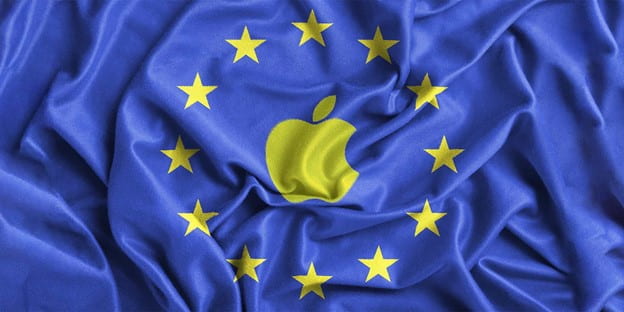
In a related tech showdown, Apple is now under fire from a bipartisan group of U.S. lawmakers who are calling on the Department of Justice to investigate the company for anti-competitive behavior. This scrutiny stems from Apple’s efforts to shut down Beeper, a tech company offering the Beeper Mini app, which enables iMessage functionality on Android devices. Beeper spent three years working to reverse-engineer iMessage before a breakthrough came from an unexpected source: a high schooler who had already achieved it and shared their findings on Discord.
This bipartisan push for an investigation into Apple comes in the wake of accusations that the tech giant holds a monopoly over its mobile app ecosystem, as previously labeled by the Department of Commerce. While taking on Apple’s dominance may seem like an uphill battle, the company has been more willing to cooperate with governmental pressure recently. For example, Apple has already announced compliance with a sales ban on the Apple Watch Series 9 and Ultra 2 after losing a patent case, though the ruling still awaits a formal veto from President Biden.
TikTok’s Bold Legal Move
In other controversial tech news, TikTok has quietly altered its user terms and conditions, forcing all legal disputes to be filed in one of two California courts, instead of using binding arbitration. This shift could help TikTok avoid paying millions in arbitration fees, but it also limits users’ ability to seek legal recourse. Not only must complaints be filed in California, but users are now required to file within one year of the alleged harm or forever waive their right to sue. This move comes after TikTok settled a $92 million class action lawsuit in 2021 over the collection of personal data from minors.
Adding to the legal troubles, TikTok, along with Meta and YouTube, faces a multi-state child safety lawsuit that questions the potential harm of social media use on minors. Despite the company being shielded by U.S. law after a tragic incident last year involving TikTok’s recommendation algorithm, the current lawsuits highlight the growing pressure on social media platforms to be held accountable for the negative effects of their services.