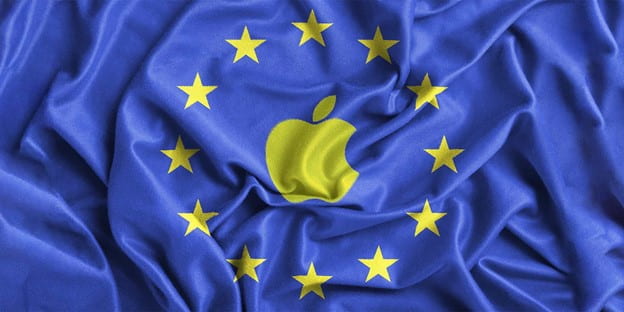
In recent tech news, Apple was hit with a massive $1.8 billion fine by the European Union following an investigation prompted by a complaint from Spotify. This penalty stems from alleged anti-competitive practices within Apple’s App Store, a platform already under heavy scrutiny by regulators worldwide. Although Apple is one of the wealthiest companies globally, such a large fine underscores the EU’s commitment to enforcing fair competition and transparency. Spotify argued that Apple’s policies restricted app developers from informing users about cheaper subscription options available outside the App Store. This practice, coupled with a lack of choice in payment options, allegedly created a monopoly-like environment that limited consumer choice. While Apple has faced fines before, this significant financial penalty represents a growing trend in regulatory measures aimed at curbing Big Tech’s power. Despite plans to appeal, Apple’s influence over its marketplace has led many to question whether more oversight is needed.
Apple’s App Store Policies: A Closer Look at the Accusations
Apple’s App Store has been the subject of multiple investigations due to its strict regulations on how apps can communicate with users regarding alternative pricing and payment methods. The main issue revolves around Apple’s rules, which prevent developers from offering direct payment options or linking to external sites. This means that users are often unaware that they can purchase subscriptions or services at a lower price outside of the Apple ecosystem, giving Apple a monopoly over in-app purchases. This model significantly benefits Apple, as it collects a percentage of all transactions within its App Store. However, it also restricts developers from establishing a direct relationship with customers. The EU’s ruling highlights the need for more transparency, as it calls out Apple’s lack of consumer-centric policies. For companies like Spotify, whose services are heavily reliant on subscriptions, these restrictions are a direct hit to their revenue streams, forcing them to increase prices on Apple’s platform to account for Apple’s commission fees.
The Broader Implications for Apple’s Market Value and Global Operations
Following the announcement of the $2 billion fine, Apple’s market value took a notable hit, with an estimated $80 billion loss. While Apple has ample resources, this decrease in market value underscores the potential financial impact of continued regulatory scrutiny. The repercussions of this fine extend beyond just the immediate financial hit, affecting Apple’s image and possibly prompting similar actions from regulators in other regions. Companies in the United States, such as Google and Amazon, are also facing increasing scrutiny, as lawmakers look to Europe’s regulatory framework as a model. Apple’s reputation, built on innovative products and a loyal customer base, could be tarnished if more revelations of monopolistic practices emerge. This situation may also lead Apple to adjust its policies, either by choice or through additional legal mandates, to avoid further financial penalties.
How This Fine Reflects the EU’s Regulatory Stance on Big Tech
The EU has a history of challenging American tech giants on issues of privacy, competition, and consumer rights. This fine against Apple is a continuation of the EU’s commitment to fair competition, particularly within digital marketplaces. With the Digital Markets Act (DMA) setting stricter guidelines for how companies operate, the EU is making it clear that monopolistic practices will not go unchallenged. The EU’s proactive stance serves as a model for other regions grappling with Big Tech’s influence over markets. The ruling against Apple might set a precedent, influencing how other tech companies conduct their business in Europe. By enforcing hefty fines and mandating operational changes, the EU aims to foster a more competitive landscape where smaller developers and alternative platforms can thrive. The EU’s response has encouraged discussions worldwide on the need for a more balanced tech industry.
Apple’s Defense and Plans to Appeal the EU’s Ruling
Despite the EU’s clear stance, Apple plans to appeal the ruling, claiming the commission did not provide credible evidence of consumer harm. Apple argues that its App Store policies enhance user security by creating a closed ecosystem that minimizes fraudulent activities. Apple’s legal defense focuses on the idea that consumers willingly choose its platform due to its premium services and security features, which they believe justify the restrictions placed on developers. However, this reasoning has not resonated with the EU, which sees these restrictions as detrimental to fair competition. If Apple’s appeal is unsuccessful, the company may be forced to adjust its App Store practices significantly, potentially allowing developers to direct users to alternative payment methods. This would mark a significant shift in Apple’s business model, as in-app transactions are a substantial source of revenue for the tech giant. The appeal process could take years, prolonging the uncertainty surrounding Apple’s future in Europe.
The Role of Spotify and Other Companies in the Fight Against Apple’s Practices
Spotify’s role in initiating this investigation highlights the growing resistance among developers against Apple’s stringent policies. As one of the world’s largest music streaming services, Spotify relies heavily on subscription fees, which are significantly impacted by Apple’s commission structure. Spotify argues that Apple’s fees force them to increase prices, placing them at a disadvantage against Apple’s own music service. This complaint adds to a list of grievances shared by other developers, who feel Apple’s policies hinder their ability to operate competitively. Companies like Epic Games, which has also clashed with Apple over in-app purchase fees, have joined the call for regulatory intervention. These collective efforts indicate a growing pushback from the developer community, which seeks a fairer revenue-sharing model within app stores. If successful, these challenges could force Apple to reevaluate its fee structure, potentially paving the way for a more balanced marketplace for app developers.
Looking Ahead: What the EU’s Fine Could Mean for the Future of App Marketplaces
The fine levied on Apple could mark a turning point in how app marketplaces operate, potentially influencing global tech policy. As more companies voice opposition to restrictive app store policies, regulatory bodies worldwide may feel empowered to impose similar fines or enact stricter laws. This ruling might encourage other regions to adopt similar regulations, making the App Store’s closed ecosystem model less viable on a global scale. The growing interest in decentralized marketplaces could also gain traction, with developers and users alike looking for platforms that offer more freedom and less monopolistic control. For consumers, these developments promise more options and potentially lower prices, as developers will be able to offer subscriptions and services directly. However, if Apple adjusts its policies to maintain compliance while preserving its core business, it could mitigate some of these impacts and retain its stronghold on app distribution.