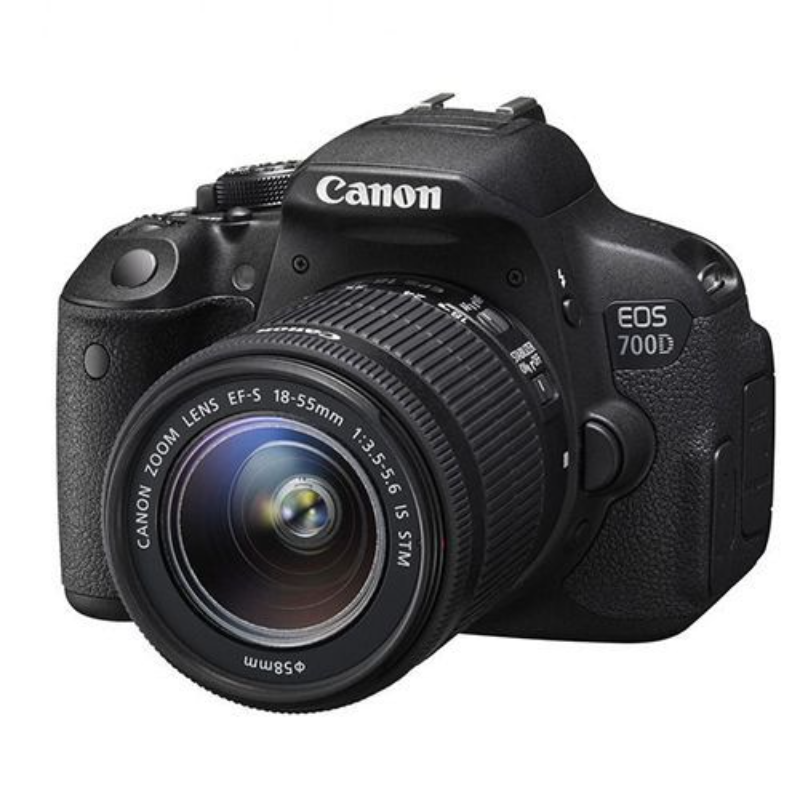
Introduction Digital Single Lens Reflex (DSLR) cameras have been the standard for professional photography and filmmaking for several years. As technology has evolved, so have these remarkable devices, giving photographers more power and flexibility than ever before. Let’s delve into the world of DSLR cameras and understand their significance, advantages, and features.
What is a DSLR Camera? DSLR stands for Digital Single Lens Reflex. This means that the camera uses a single lens for both viewing and shooting. The “reflex” in its name comes from the camera’s reflex mirror, which reflects light up to the optical viewfinder. When the shutter is released, the mirror flips up to allow light to hit the camera’s image sensor, capturing the photograph.
Advantages of Using a DSLR
- Image Quality: One of the primary reasons photographers gravitate towards DSLRs is the image quality. These cameras tend to have larger image sensors which allow for larger pixel sizes. A bigger sensor means the camera can absorb more light, leading to less noise and better image quality, especially in low light conditions.
- Versatility: DSLRs offer a wide range of interchangeable lenses, from wide-angle to super-telephoto. This allows photographers to choose the best lens for any given situation.
- Speed: DSLRs have faster autofocus and can shoot more frames per second. This makes them ideal for action shots or any scene where timing is crucial.
- Optical Viewfinder: The optical viewfinder in a DSLR allows photographers to see the scene in real-time, without any electronic delay or lag, ensuring they can capture the moment as they see it.
- Manual Controls: These cameras offer more options for manual controls, letting experienced photographers make precise adjustments to settings like ISO, shutter speed, and aperture.
Features to Look For in a DSLR Camera
- Megapixels (MP): While megapixels are not the only measure of image quality, a higher MP count can offer more details in the pictures. However, it’s essential to consider other features and the camera’s overall performance as well.
- Image Sensor Size: As previously mentioned, a larger sensor can provide better image quality. Full-frame DSLRs have a sensor the same size as a 35mm film frame, while APS-C sensors, common in many entry-level DSLRs, are smaller.
- ISO Range: A broader ISO range indicates the camera’s ability to handle different lighting conditions. Higher ISO values can capture images in low light, but may introduce noise.
- Shutter Speed Range: From freezing fast action to creating a silky smooth water effect, the range of shutter speeds available can expand your creative possibilities.
- Built-in Features: Modern DSLRs come with many built-in features like WiFi, GPS, touchscreens, and more. Depending on your needs, these can be vital.
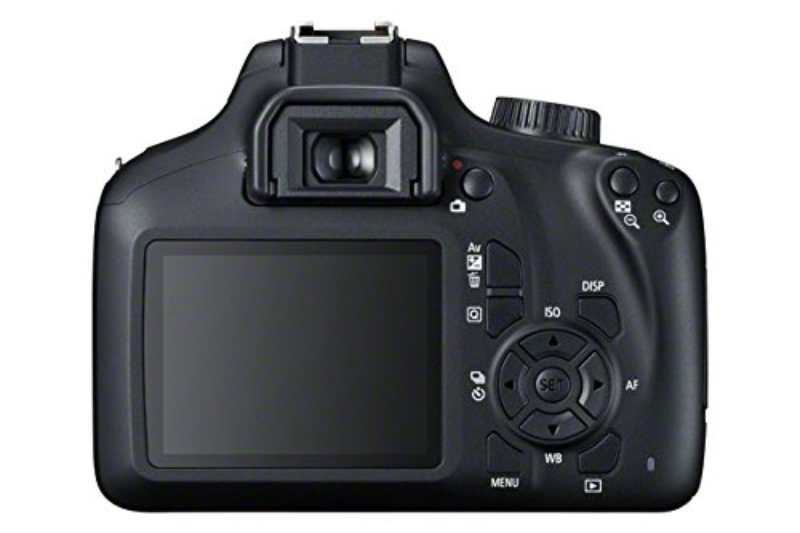
DSLR vs. Mirrorless Cameras With the rise of mirrorless cameras, many photographers are torn between them and traditional DSLRs. Mirrorless cameras are generally smaller, lighter, and can offer faster burst shooting. They might also have more advanced video features. However, DSLRs have the advantage of an optical viewfinder and, often, a better battery life. The choice between them often boils down to personal preference and specific requirements.
Maintaining Your DSLR DSLRs are investments, and to ensure they last, it’s essential to maintain them. Here are a few tips:
- Regularly clean the sensor, lens, and body.
- Store in a dry, cool place.
- Use a protective case.
- Keep the firmware updated.
Conclusion DSLR cameras have etched an enduring mark in the world of photography. With unparalleled image quality, versatility, and speed, they cater to both enthusiasts and professionals alike. As technology continues to advance, the line between DSLRs and other camera types like mirrorless might blur, but the essence and charm of DSLRs will undoubtedly remain for years to come.