Introduction
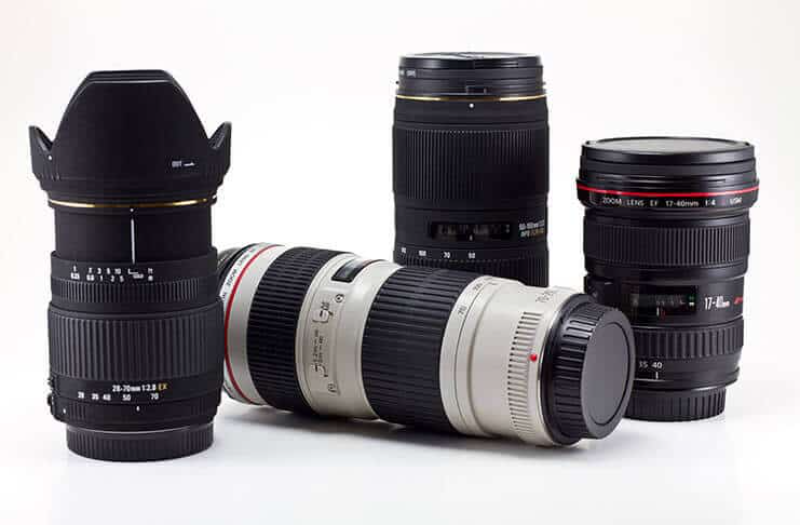
The camera lens, often described as the eye of a camera, plays an indispensable role in photography. It influences everything from sharpness and clarity to depth of field and distortion. This article delves deep into the world of camera lenses, offering readers a comprehensive understanding of their types, functionality, and significance.
Understanding Camera Lenses
At its core, a camera lens is a transparent piece of glass or plastic that focuses or disperses light rays. The quality of a lens often determines the quality of the photograph. Factors such as lens construction, the materials used, and the coating applied can drastically influence a lens’s ability to reproduce a scene accurately and beautifully.
Types of Camera Lenses
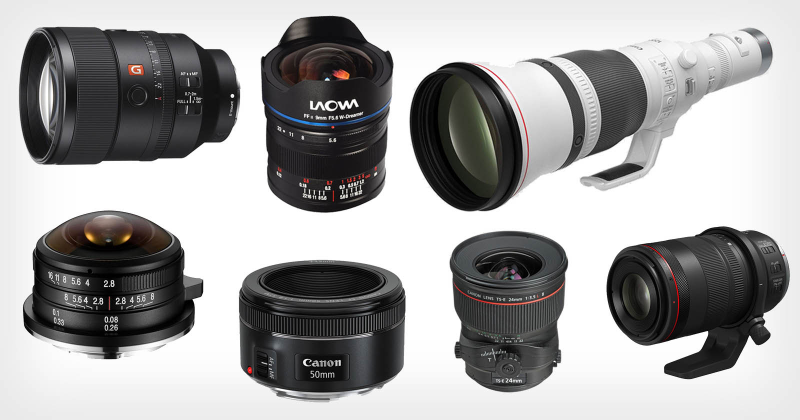
- Standard or Normal Lenses: These are general-purpose lenses with a focal length typically around 50mm. They offer an angle of view close to the human eye, making them ideal for various photography types, including street, portrait, and documentary.
- Wide-Angle Lenses: These lenses have a broader field of view and shorter focal length, making them perfect for landscapes, interiors, and architecture. They can sometimes distort the image, especially at the edges, but this can be a stylistic choice for many photographers.
- Telephoto Lenses: Ideal for subjects far away, these lenses have a longer focal length. Sports and wildlife photographers usually prefer them. They can isolate subjects beautifully, producing a shallow depth of field.
- Macro Lenses: If you want to capture the minute details of an object, the macro lens is your go-to. It’s perfect for close-ups of insects, flowers, and other small subjects.
- Fisheye Lenses: These are ultra-wide-angle lenses that create a distorted spherical view of the world. They’re more of a specialty lens, often used for artistic and creative photography.
- Zoom Lenses: Offering a range of focal lengths in a single lens, zoom lenses are versatile and convenient. However, they might not be as sharp as prime (fixed focal length) lenses.
- Tilt-Shift Lenses: These allow photographers to control the perspective and plane of focus, ideal for architectural photography and creative applications.
Lens Specifications Explained
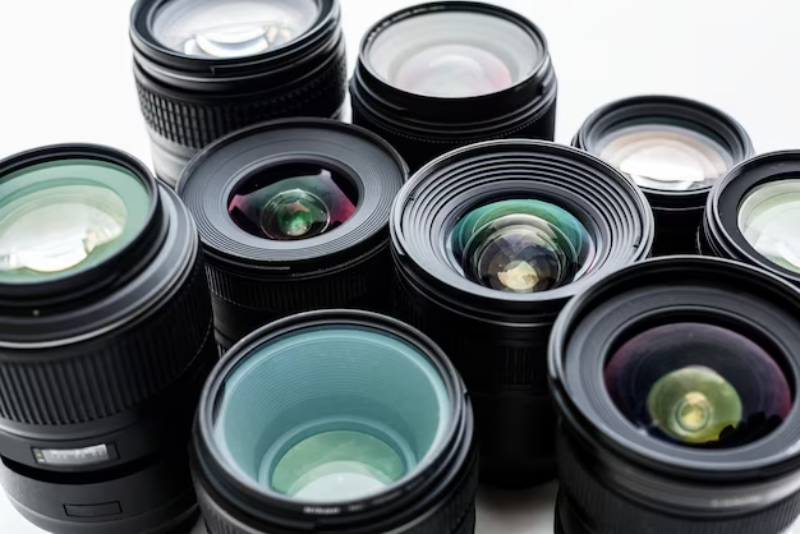
- Focal Length: Measured in millimeters (mm), it determines the lens’s angle of view and magnification. A smaller number indicates a wider view, while a larger number suggests a narrower, zoomed-in view.
- Aperture: Represented by an “f” followed by a number (e.g., f/1.8), the aperture indicates the lens’s opening size. A smaller number means a wider aperture, allowing more light into the camera and creating a shallower depth of field.
- Image Stabilization: Some lenses come with built-in stabilization to counteract camera shake, especially beneficial at slower shutter speeds or longer focal lengths.
- Autofocus (AF) Motor: Lenses may have built-in AF motors, ensuring quicker and quieter autofocus. The type of motor can influence the lens’s price and performance.
Choosing the Right Lens for the Job
When selecting a lens, it’s essential to consider:
- Subject: Are you photographing landscapes, portraits, sports, or something else? The subject often dictates the best lens type.
- Environment: If you’re shooting in low light, you might want a lens with a wider aperture. For unpredictable conditions, a lens with weather-sealing could be crucial.
- Budget: Lenses vary in price from affordable to exorbitantly expensive. Determine what you’re willing to spend and find the best quality within that range.
Conclusion
Camera lenses are as vital as the cameras themselves. They influence the quality, perspective, and mood of the final image. By understanding the different lens types and their specifications, photographers can better equip themselves to capture the world as they envision. Whether a hobbyist or a professional, investing time and resources in understanding and choosing the right lens can make all the difference in one’s photographic journey.