Introduction:
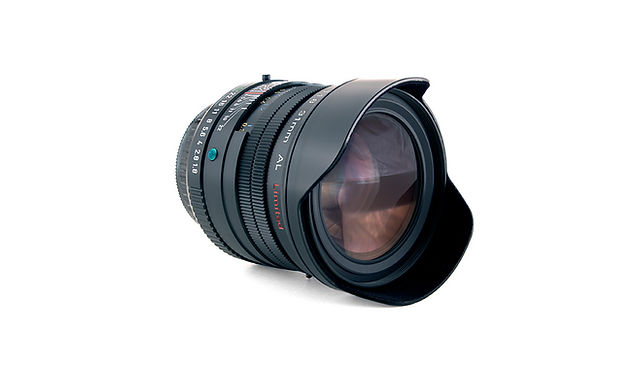
Camera lenses are the eyes through which photographers view the world, transforming fleeting moments into timeless images. They play a crucial role in determining the quality and the aesthetic of a photograph, with different lenses allowing photographers to capture the world from unique perspectives. This article will delve into the intricate world of camera lenses, exploring their types, uses, and importance in photography.
Understanding Camera Lenses:
Definition:
A camera lens is an optical lens or assembly of lenses used in conjunction with a camera body to form images of objects on photographic film, sensor, or other media capable of storing an image chemically or electronically.
Importance:
Camera lenses are pivotal in determining the amount of light that reaches the image sensor, impacting the sharpness, detail, depth of field, and overall quality of the photograph. The choice of lens affects the perspective, allowing photographers to manipulate the framing and composition of their images.
Types of Camera Lenses:
1. Standard Lenses:
Definition:
Standard lenses have a focal length between 35mm and 70mm and provide a field of view that closely resembles human vision.
Use:
Ideal for everyday photography, including portraits, street photography, and landscapes. They are versatile and offer sharpness and clarity.
2. Wide-Angle Lenses:
Definition:
Wide-angle lenses have a focal length shorter than that of standard lenses, typically between 24mm and 35mm.
Use:
Excellent for capturing expansive landscapes, architecture, and large groups of people. They emphasize the perspective and distance between objects.
3. Telephoto Lenses:
Definition:
Telephoto lenses have a long focal length, usually above 70mm, enabling photographers to shoot distant subjects.
Use:
Predominantly used for wildlife, sports, and astronomy photography, these lenses allow for close-ups of distant objects and have a shallow depth of field.
4. Macro Lenses:
Definition:
Macro lenses allow photographers to capture extreme close-ups, usually with a 1:1 magnification ratio.
Use:
Essential for photographing small subjects such as insects, flowers, and other intricate details, revealing textures and details invisible to the naked eye.
5. Zoom Lenses:
Definition:
Zoom lenses offer variable focal lengths, enabling photographers to change the lens’s magnification without switching lenses.
Use:
These are versatile lenses suitable for various photography styles, including travel, events, and wildlife, allowing photographers to adapt quickly to different shooting scenarios.
6. Prime Lenses:
Definition:
Prime lenses have a fixed focal length, meaning they do not zoom in or out.
Use:
They excel in image quality, low-light performance, and are typically lighter and more compact, making them suitable for portraits, street photography, and low-light conditions.
Factors to Consider When Choosing a Lens:
1. Focal Length:
The focal length, measured in millimeters (mm), determines the lens’s field of view and magnification, affecting the perspective and composition of the image.
2. Aperture:
The aperture, represented by f-numbers (f/1.4, f/2.8, etc.), controls the amount of light entering the lens, impacting the exposure and depth of field of the photograph.
3. Image Stabilization:
Some lenses come with built-in image stabilization technology, which helps in reducing blur caused by camera shake, especially at slower shutter speeds or longer focal lengths.
4. Auto-focus vs. Manual Focus:
While autofocus is convenient and quick, manual focus allows for more precision and control, especially in macro and portrait photography.
5. Weight and Size:
The weight and size of a lens are crucial considerations, especially for photographers who travel or shoot for extended periods.
Conclusion:

Camera lenses are indispensable tools for photographers, offering a myriad of creative possibilities and allowing them to realize their artistic vision. Whether it’s a wide-angle lens capturing the grandeur of a sweeping landscape, a telephoto lens bringing distant worlds into sharp focus, or a macro lens revealing the intricate beauty of the microscopic world, each lens type offers a unique perspective. By understanding the characteristics and uses of different lenses, photographers can select the right lens to enhance their work, ensuring that their images resonate with depth, emotion, and clarity. The exploration of camera lenses is, indeed, a journey through the myriad ways of seeing and capturing the world.