The gaming industry is no stranger to rivalries, controversies, and unexpected twists. This week, the spotlight is on Microsoft’s acquisition of Activision Blizzard, the unveiling of new Surface devices, and Meta’s latest VR headset. Let’s dive into the most significant gaming and tech stories of the week.
1. Microsoft’s Acquisition of Activision Blizzard: A Brewing Storm
Microsoft’s acquisition of gaming giant Activision Blizzard has been a hot topic of discussion in the gaming community. The deal, which aims to bolster Microsoft’s gaming portfolio, has not been without its controversies. Sony, a major competitor in the gaming space, has raised concerns with the UK competition regulator about the acquisition. The primary apprehension is the potential for Microsoft to make popular franchises like “Call of Duty” exclusive to Xbox, thereby sidelining Playstation users. Microsoft has countered these concerns, highlighting the larger Playstation user base and suggesting that Sony could afford to lose a few gamers. The back-and-forth between the two giants underscores the high stakes in the gaming industry and the potential ramifications of such acquisitions.
2. Microsoft’s New Surface Devices: Evolution, Not Revolution
Microsoft unveiled three new Surface devices, each building upon the legacy of its predecessors. The Surface Pro 9, which can be configured with either an Intel 12th gen CPU or a Microsoft SQ3 processor, marks the end of the Surface Pro X line as a distinct ARM-powered product. The Surface Laptop 5, while similar in appearance to its predecessor, boasts upgraded Intel 12th gen processors. However, the absence of an AMD option, which was available in the previous iteration, might be a point of contention for some users. Lastly, the Surface Studio 2 Plus received a modest update with 11th gen processors. While these devices represent incremental improvements rather than groundbreaking innovations, they solidify Microsoft’s commitment to the Surface lineup.
3. Meta’s Quest Pro: A New Frontier in VR
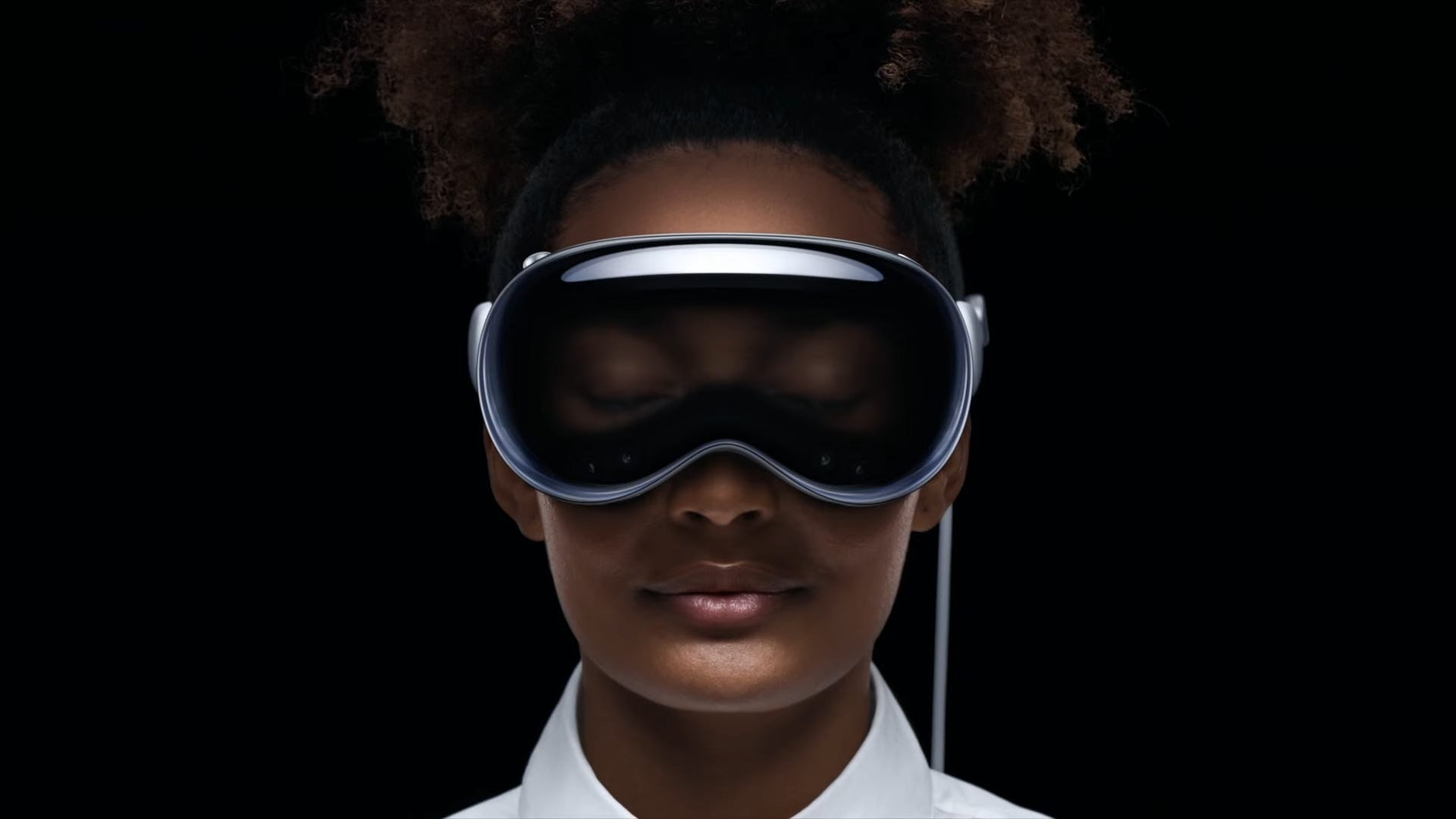
Meta, formerly known as Facebook, unveiled the Quest Pro during its Connect conference. Positioned as a work device rather than primarily for gaming, the Quest Pro boasts impressive specs. Powered by the new Snapdragon XR2 Plus chip, it offers more memory, storage, and new controllers with their own cameras. However, with a price tag of $1,500 and a battery life of just one to two hours, it’s clear that the device targets a niche audience. Microsoft’s announcement of bringing Teams, Office, Windows, and Xbox Game Pass to the Quest platform further emphasizes the work-oriented direction of the device.