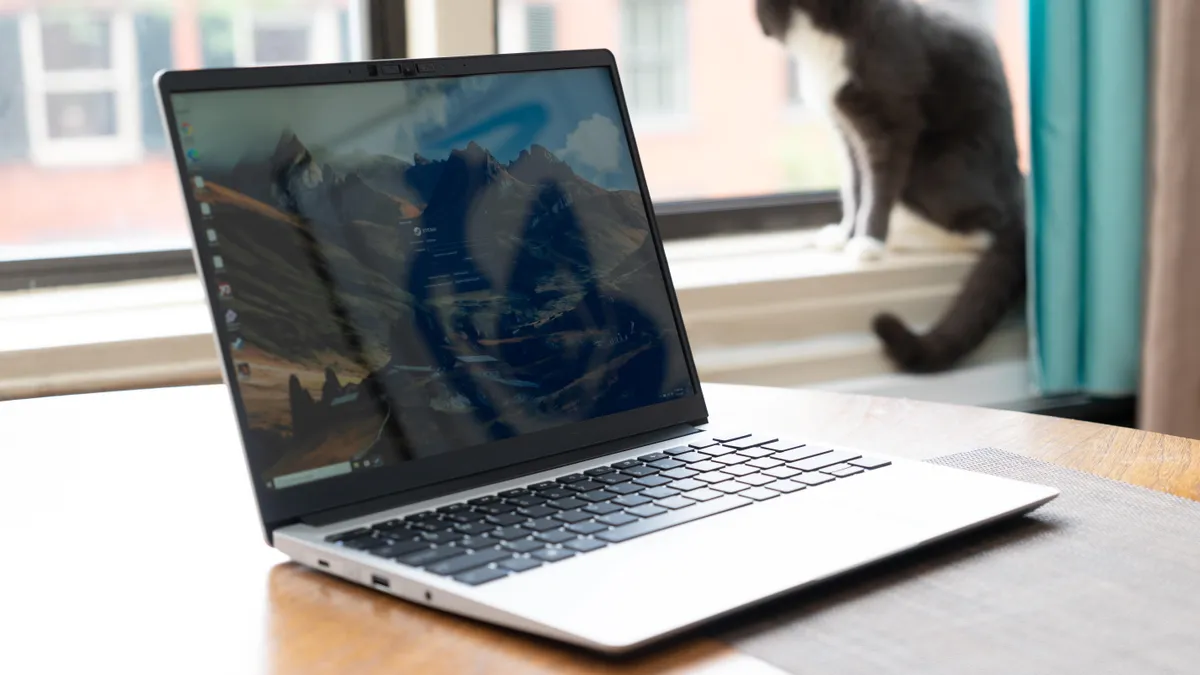
In an era dominated by slim and sleek laptops, the concept of upgradeability and user-serviceability often takes a back seat. Enter the Framework Laptop 13, a device that challenges the status quo by offering unparalleled modularity and repairability. Let’s delve deep into this unique offering and see if it truly is the future of sustainable computing.
1. The Modular Design Philosophy
The Framework Laptop 13 is built around the idea of user serviceability. Unlike most modern laptops that come with soldered components and sealed chassis, Framework offers a refreshing approach. Everything, from the CPU to the display, is designed to be replaceable. This means that users can upgrade their device as technology evolves, extending the laptop’s lifespan and reducing e-waste.
2. DIY Kit: Building Your Own Laptop
Framework offers the Laptop 13 in two variants: pre-built and DIY. The DIY Kit allows users to assemble and configure the laptop themselves. While this might sound daunting, Framework has made the process incredibly user-friendly. Each component is clearly labeled, and QR codes link directly to step-by-step guides on their website. From installing RAM and storage to snapping the display bezel in place, the entire process is straightforward and rewarding.
3. Hardware Specifications
The 2023 iteration of the Framework Laptop 13 comes with a choice of both Intel and AMD processors. Our review unit was powered by the Intel i7-1370P, paired with a generous 64GB of DDR4-3200 RAM and a 2TB NVMe SSD from Western Digital. While the Intel version offers decent performance, the upcoming AMD version, equipped with the 780M chip, promises to be a game-changer, especially for casual gaming.
4. Customizable I/O Ports
One of the standout features of the Framework Laptop 13 is its modular I/O ports. Users can choose their desired port layout, thanks to the handy expansion cards. Whether you need HDMI, USB-C with Thunderbolt support, Ethernet, or even additional storage, Framework has you covered. The flexibility to change ports according to specific needs is a game-changer, especially for professionals on the go.
5. Display and Visuals
The Framework Laptop 13 features a 60Hz IPS display with a unique 3:2 aspect ratio. While the panel offers decent color accuracy and brightness for everyday tasks, it might not satisfy users looking for high-end color grading or media consumption. However, the potential for future upgrades, such as OLED panels or wider color gamut displays, is exciting.
6. Performance and Usability
In terms of performance, the Intel i7-1370P CPU delivers impressive results, especially in multi-core tasks. However, the integrated Iris XE GPU, with its 96 execution units, falls short for intensive gaming. On the brighter side, the laptop’s fan noise is manageable, even under load, ensuring a quiet working environment.
7. Battery Life and Sustainability
The Framework Laptop 13 offers a commendable battery life, lasting up to eight and a half hours in standard Wi-Fi tests. This ensures users can get through a full workday without constantly reaching for the charger. Moreover, the company’s commitment to sustainability is evident in its modular design, reducing e-waste and promoting a longer device lifespan.
8. The Future of Framework
With the success of the Framework Laptop 13, the company has hinted at a 16-inch version that promises even more modularity and customization options. This indicates Framework’s dedication to pushing the boundaries of modular computing and offering users the ultimate in personalization and upgradeability.
Conclusion
The Framework Laptop 13 is a testament to what’s possible when a company prioritizes user needs and sustainability. While it might not have the sleek design of some high-end ultrabooks, its unparalleled modularity, repairability, and performance make it a compelling choice for those who value longevity and customization. As the tech world continues to evolve, Framework stands out as a beacon of hope for sustainable and user-centric computing.