The Vision Pro’s Launch and Initial Reactions
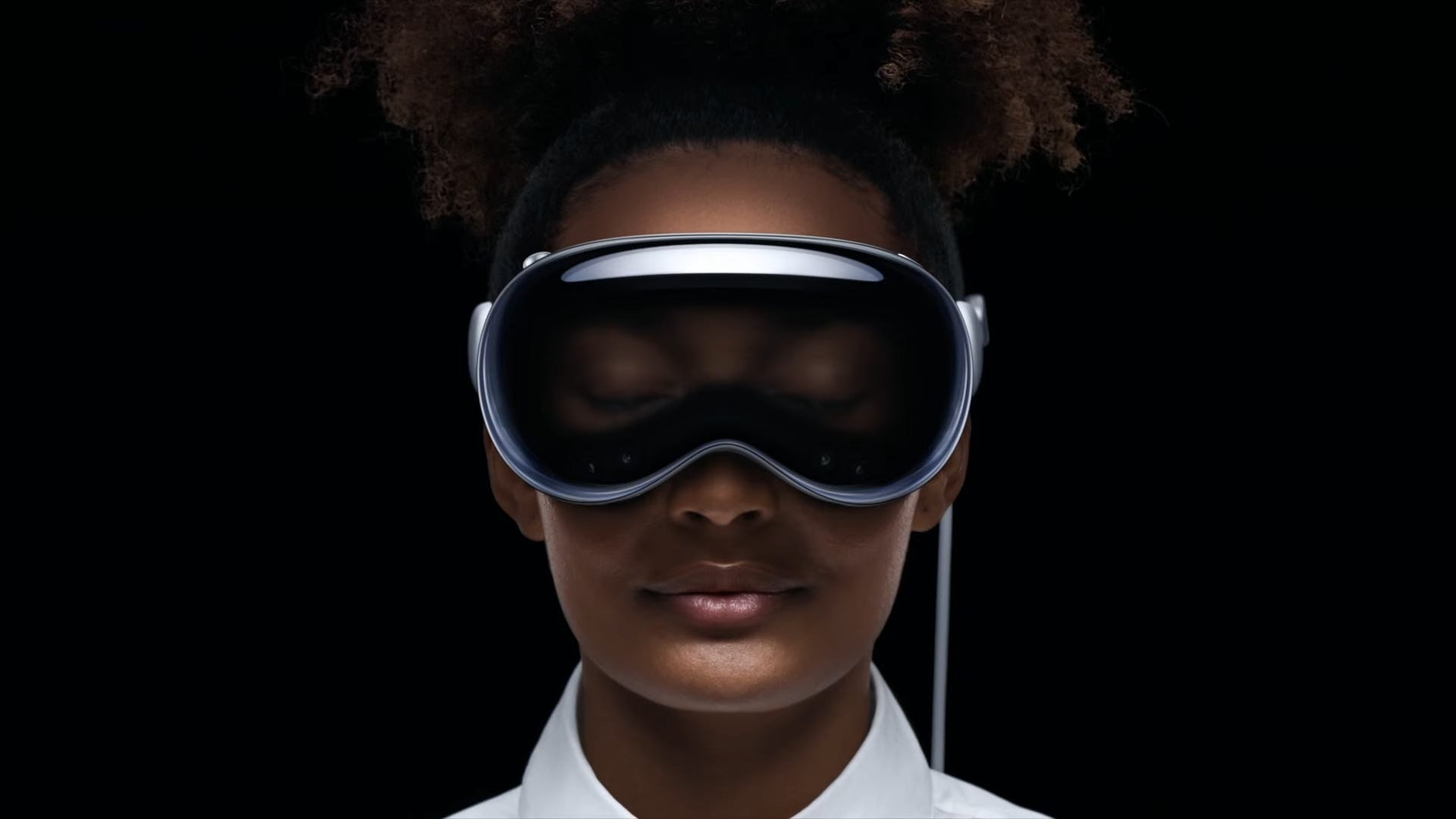
After months of anticipation, Apple has finally launched its highly-anticipated Vision Pro headset, marking a significant moment in augmented reality (AR) and mixed reality development. Retailing at $3,500, the Vision Pro was met with mixed reactions from the tech community. Early reviews from media outlets displayed a cautious optimism, often tinted with a sense of skepticism. However, feedback from customers who got their hands on the headset has been largely positive, showcasing post-purchase rationalization at its finest.
Apple has marketed the Vision Pro as “tomorrow’s technology today”, a bold tagline that draws attention to the advanced features and capabilities of the device. However, some are questioning the timing and technological readiness of the product, particularly when comparing Apple’s avatars—called Personas—to Meta’s photorealistic Codec avatars, which appear more advanced. Although Meta’s Codec avatars aren’t yet available on consumer Quest devices, the demo versions highlight a potential advantage over Apple in terms of realism.
Despite these critiques, Apple’s Vision Pro remains a cutting-edge piece of technology that aims to reshape how users interact with digital environments. Early adopters are excited about its potential, particularly the gesture control and immersive spatial experiences it offers. However, the high price tag has many wondering if the device can truly compete in the broader market, especially against Meta’s more affordable Quest line.
Meta’s Strategic Move: Upgrades for Quest 2, 3, and Pro
In what seems to be a direct response to Apple’s Vision Pro launch, Meta has announced key updates to its own Quest headsets, specifically the Quest 2, Quest 3, and Quest Pro. These headsets are priced significantly lower than Apple’s Vision Pro and have become some of the most popular AR/VR devices on the market. With this update, Meta has added the ability to play back stereoscopic spatial video recorded on an iPhone 15 Pro or Pro Max—a notable feature that might raise eyebrows at Apple.
In addition to this, Meta has introduced new pinch gestures for the Quest devices, improving user interaction with virtual objects. These gestures make interacting with virtual environments more intuitive, although some might argue that this was an essential feature that Apple nailed with the Vision Pro. Meta is also stepping up its game in cloud gaming, with support for gamepads in the browser—a clear attempt to broaden the Quest’s appeal to gamers who want a more streamlined experience.
These updates highlight Meta’s strategy of offering advanced features at a more accessible price point. By supporting popular features like iPhone video playback and enhancing hand gestures, Meta is positioning the Quest line as a formidable competitor to Apple’s high-end Vision Pro. The question remains whether these lower-cost options will be enough to sway consumers away from Apple’s premium device.
Google, Amazon, and Apple: The Race for AI Dominance
While the Vision Pro and Quest headsets are battling for supremacy in the AR space, the AI race continues to heat up between tech giants Google, Amazon, and Apple. Google made headlines by integrating its Bard chatbot with its Image 2 model, allowing the chatbot to generate images based on user prompts. While still in its early stages, this technology has the potential to revolutionize how users interact with AI by offering visual representations of their requests. However, early reports suggest that Bard is still prone to generating odd or inappropriate images, as demonstrated when it generated an image of itself as a blonde cyborg for CNET.
Meanwhile, Amazon introduced its own chatbot, Rufus, which is designed to assist customers while shopping on the platform. Rufus aims to help navigate the overwhelming number of products available on Amazon’s marketplace. The chatbot is still in its beta phase, but it represents another step forward in Amazon’s effort to leverage AI for e-commerce.
Not to be left out, Apple has also jumped into the AI race. During a recent earnings call, Tim Cook emphasized that Apple is dedicating substantial resources to AI research, hinting that big AI developments will be announced later this year. Speculation suggests that Apple may focus on large language models (LLMs) that can run directly on iPhone hardware, which would set the company apart from competitors relying heavily on cloud-based AI solutions. Apple’s move into AI could have broad implications for its ecosystem, potentially improving features like Siri, Photos, and even AR experiences on the Vision Pro.
The Impact of AI on Smartphones: Samsung and Nothing Join the Fray
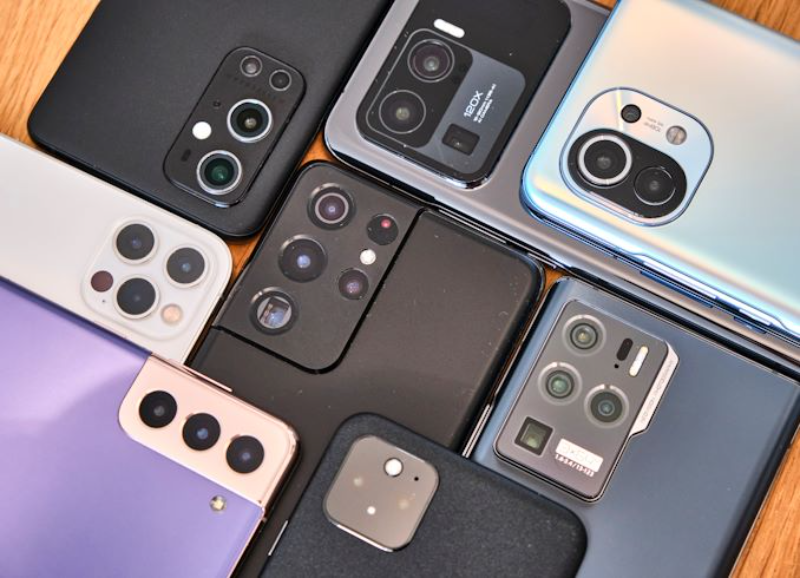
The AI wave isn’t confined to headsets and virtual experiences—it’s also making its way into smartphones. Recent reviews of the Samsung Galaxy S24 series have praised its AI features, including Circle to Search and on-device translation. These features highlight how AI is becoming more integrated into everyday tasks, helping users navigate information more efficiently. However, while the software is being praised, the hardware has seen mixed reactions, particularly the decision to keep the 5x optical zoom on the S24 Ultra, a downgrade from the 10x zoom on previous models.
As Samsung navigates the challenges of balancing hardware improvements with AI advancements, Nothing, the tech company known for its minimalist designs, made a surprise announcement of the Nothing Phone 2A. This budget-friendly version of the Nothing Phone 2 has been long rumored and will cater to users looking for a more affordable alternative without sacrificing too much in terms of features. While details about the phone’s price and design remain scarce, its release marks a significant moment for the company, which continues to disrupt the smartphone market with its bold approach to design and functionality.