Apple’s M4 iMac – Revamping the All-in-One Desktop Experience
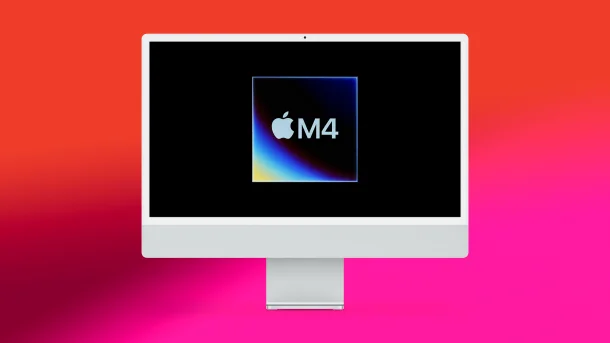
Apple has introduced the new M4-powered iMac, bringing a mix of quality-of-life improvements and power to its lineup of all-in-one desktops. One standout change is the increase in the minimum RAM to 16 GB, aimed at providing smoother performance for the latest macOS updates. Despite this improvement, the base model still starts with 256 GB of storage—enough for casual users, though some may feel it falls short in an age where storage needs are growing rapidly. Apple encourages users to manage storage through iCloud subscriptions, a move that ties into its broader ecosystem but may not satisfy users who need ample onboard storage.
One interesting option for the M4 iMac is the nanotexture glass upgrade, which enhances anti-glare properties far beyond typical screens. This feature could benefit professionals working in environments with various light sources, reducing eye strain and improving visual clarity. The iMac’s camera has also received a notable upgrade to 12 megapixels, supporting features like desk view, which allows users to simultaneously view both their workspace and themselves. The device has seen an improvement in connectivity too, with the higher-tier 10-core CPU models offering four Thunderbolt 4 ports, a substantial upgrade over the previous two Thunderbolt 3 ports.
In a further attempt to meet the needs of multitaskers, Apple has enabled dual external display support for its 10-core models, marking the first time an iMac has had this capability. This feature will undoubtedly appeal to users with multi-monitor setups who are looking for an all-in-one desktop solution that doesn’t compromise on display options. Apple has also rolled out the first Magic Keyboard, Trackpad, and Mouse equipped with USB-C charging. Although these peripherals now offer modern connectivity, the Magic Mouse’s charging port remains in an inconvenient location underneath the device—a long-standing design choice that continues to frustrate users.
Qualcomm’s Ryzen 9800X3D: Power Meets Flexibility in the Gaming Market
AMD’s upcoming Ryzen 9800X3D processor has garnered attention due to leaked specifications, which promise impressive performance gains alongside some noteworthy architectural changes. This third-generation chip in AMD’s 3D V-Cache series will include features aimed at improving gaming and multitasking capabilities. While the new 9800X3D maintains the same L3 cache size as its predecessor, it comes with a unique unlocked multiplier that allows for traditional overclocking—a feature not available in previous x3D models. This flexibility may appeal to enthusiasts who enjoy tweaking their setups to achieve optimal performance.
Images of a “delidded” 9800X3D have surfaced, showing a unique structural change: the 3D V-cache is positioned beneath the CPU die, in contrast to previous models where it sat atop the CPU die. The specific advantages of this design shift are not yet clear, but it may help with heat dissipation or improve cache efficiency. In benchmark tests, the 9800X3D holds its own in gaming, performing comparably to Intel’s i7-14700K, although it falls short in multi-threaded workloads like Blender, where the Intel chip takes a clear lead.
These benchmarks demonstrate AMD’s strategy of targeting high-performance gaming users who prioritize raw frame rates over broader multi-core efficiency. With the 9800X3D expected to match Intel’s offerings in some tests, this model could become a competitive choice for gamers seeking a powerful processor with added flexibility for overclocking.
Google Pixel 10 and Pixel 11: Major Camera and Performance Upgrades
Google’s roadmap for the Pixel 10 and Pixel 11 has been leaked, revealing significant camera and performance enhancements set to debut over the next two years. The Pixel 10 is expected to support 4K 60fps HDR video, bringing it in line with high-end smartphones known for exceptional video quality. Additionally, the Pixel 11 is rumored to feature a 100x zoom capability through machine learning, potentially making it a standout choice for photography enthusiasts who want to capture distant subjects with clarity. These upgrades reflect Google’s continued emphasis on computational photography, where software-driven features enhance hardware capabilities.
The Pixel 11 may also include ultra-low light video capabilities, designed to provide visibility in lighting conditions as low as 5-10 Lux. This development could elevate Google’s position in the smartphone camera market, enabling clear, vibrant video capture even in dark settings. Furthermore, rumors suggest that future Pixel watches may incorporate Google’s Tensor chip to facilitate always-on health tracking features. These advancements align with Google’s vision of a highly integrated wearable ecosystem, positioning the Pixel line as a versatile solution for both communication and health monitoring.
iPad Mini 7: Fixing the Jelly Scrolling Issue and Display Improvements
Apple’s iPad Mini 7 has resolved the infamous “jelly scrolling” issue, a problem with screen refresh rates in portrait mode that marred the user experience in the previous generation. Jelly scrolling occurs when one side of the screen refreshes at a different rate than the other, creating a subtle but annoying effect that’s most noticeable during fast scrolling. Although teardown analyses by iFixit have yet to reveal any specific hardware changes responsible for this improvement, industry analysts speculate that Apple has optimized the display controller to synchronize refresh rates more effectively.
Apple’s fix for the iPad Mini demonstrates its commitment to addressing design flaws, even if they seem minor at first glance. The change reflects a larger trend where manufacturers are increasingly sensitive to issues impacting user experience, especially in premium devices. For users who prefer the compact form factor of the iPad Mini, this display refinement enhances usability and comfort, particularly in vertical reading modes. This update underscores Apple’s attention to detail in product design and suggests the company’s awareness of consumer feedback.
Meta, Instagram, and Video Quality Degradation for Less Popular Content
Instagram head Adam Mosseri recently acknowledged that the platform reduces the quality of videos that receive low engagement. This admission has sparked discussion about the potential disadvantage to smaller creators, although Mosseri insists that the quality reduction is minimal and does not impact engagement significantly. According to Mosseri, video quality will automatically improve if a video gains popularity, offering a “glow-up” that reflects its growing relevance. However, the move raises questions about algorithmic prioritization, as creators wonder whether content quality affects viewer perception and discoverability.
For small creators, maintaining video quality can be essential in attracting new viewers and building a brand presence. The decision to lower video quality for less-viewed content may inadvertently create barriers for up-and-coming creators attempting to gain traction on the platform. Instagram’s algorithm already favors popular content, and adding another layer of prioritization based on quality could make it even more challenging for new voices to emerge. Mosseri’s comments indicate Instagram’s intent to manage platform resources effectively, but they also highlight the complexities of balancing resource allocation with fair visibility for all creators.
OpenAI Whisper and the Challenges of Medical Transcription
OpenAI’s Whisper model, a transcription tool praised for its accuracy, is now being used in high-stakes fields like healthcare. Although OpenAI has warned against using Whisper in “high-risk” contexts due to occasional inaccuracies, around 40 health systems are reportedly using it for automated transcriptions of medical consultations. This adoption raises concerns, as Whisper’s transcription capabilities have been shown to “hallucinate” in about 1% of cases, sometimes inserting nonsensical or even violent phrases into otherwise accurate transcripts.
These hallucinations could have severe consequences in medical and legal contexts, where inaccurate records can lead to misunderstandings or even influence decisions that affect lives. OpenAI’s cautionary stance on Whisper indicates the broader ethical challenges facing AI as it moves into sensitive domains. As healthcare providers look to AI to streamline operations, ensuring the reliability and safety of these tools will be paramount to prevent unintended consequences.
Security Risks with Public Figures Using Strava for Fitness Tracking
A recent report revealed a significant security vulnerability associated with the fitness app Strava, particularly for high-profile users such as political leaders. French media uncovered that world leaders, including Emmanuel Macron and Kamala Harris, have inadvertently exposed their locations through public geotags on Strava. The bodyguards of these officials reportedly used Strava to log their activities without enabling privacy settings, inadvertently sharing sensitive location information. In Macron’s case, reporters could pinpoint the exact resort he stayed at on a private holiday based on his bodyguards’ posts.
Strava’s public tracking feature, while popular among fitness enthusiasts, poses risks for anyone in the public eye. Security experts have urged high-profile users to ensure their privacy settings are configured to avoid potential threats. This incident underscores the importance of understanding digital privacy settings, especially for individuals with heightened security needs. The exposure of private activities highlights the risks of geotagging in public platforms, where even innocent activities like fitness tracking can compromise safety.