Introduction
Operating systems (OS) serve as a bridge between computer hardware and software, ensuring that all components interact seamlessly. As the foundational software for a device, an OS manages both hardware resources and provides services for application software. Let’s delve into the realm of operating systems, their primary functions, and their evolving landscape.
What is an Operating System?
An operating system is system software that manages computer hardware, software resources, and provides various services for computer programs. The OS acts as an intermediary between users of a computer and the computer hardware.
Core Functions of Operating Systems
- Process Management: The OS manages processes in a system, including the execution of processes, multitasking, and process synchronization and scheduling.
- Memory Management: Handles primary memory, deciding which processes will get memory at what time, and the allocation and deallocation of memory spaces as needed by different processes.
- File System Management: Manages files on different storage devices (like hard drives, SSDs), overseeing the reading, writing, creation, and deletion of these files.
- Device Management: OS manages device communication via their respective drivers. Devices can range from hard drives and printers to displays.
- Security and Access Control: Ensures that unauthorized users do not access the system and protects against malware and other security threats.
- User Interface: Most modern OS provide Graphical User Interfaces (GUI) that include a set of commands for user communication.
Types of Operating Systems
- Single-tasking vs. Multi-tasking: Single-tasking systems can only run one program at a time, while multi-tasking systems allow multiple tasks to run concurrently.
- Single-user vs. Multi-user: Single-user OSs allow only one user to operate at a time, while multi-user systems support multiple users simultaneously.
- Distributed OS: Distributes the workload among various computers in a network.
- Real-time OS: Used for real-time applications where data processing must happen in a specified time frame.
- Embedded OS: Designed for specific devices like washing machines, ATMs, and smartphones.
Popular Operating Systems
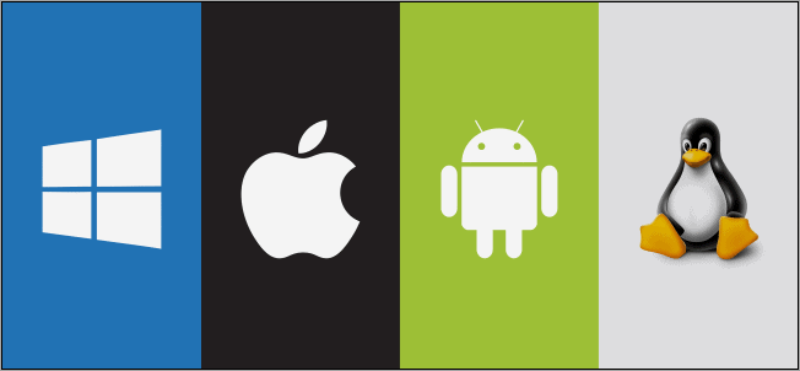
- Windows: Developed by Microsoft, it is one of the most widely used desktop OSs worldwide.
- macOS: Apple’s proprietary OS for its Mac computers.
- Linux: An open-source OS that comes in many distributions, like Ubuntu, Fedora, and Debian.
- Android: A mobile OS developed by Google, primarily for smartphones and tablets.
- iOS: Apple’s mobile OS, used in iPhones and iPads.
The Future of Operating Systems
With the surge of technologies such as Artificial Intelligence (AI), Augmented Reality (AR), Virtual Reality (VR), and the Internet of Things (IoT), operating systems are also evolving rapidly.
- Integration with AI: OSs will become more intuitive, anticipating user needs and optimizing resources more effectively.
- Cross-Platform Compatibility: With the proliferation of devices, future OSs will aim to provide a seamless experience across devices.
- Advanced Security Protocols: As cyber threats become more sophisticated, OSs will employ advanced security measures, including biometric systems and blockchain-based authentication.
Conclusion
Operating systems remain the backbone of our digital experiences. From the humble beginnings of single-tasking systems to today’s multifaceted, AI-integrated platforms, OSs have continuously evolved to address our changing needs. As technology advances, these systems will undoubtedly adapt, providing even more efficient, secure, and intuitive user experiences.