Introduction
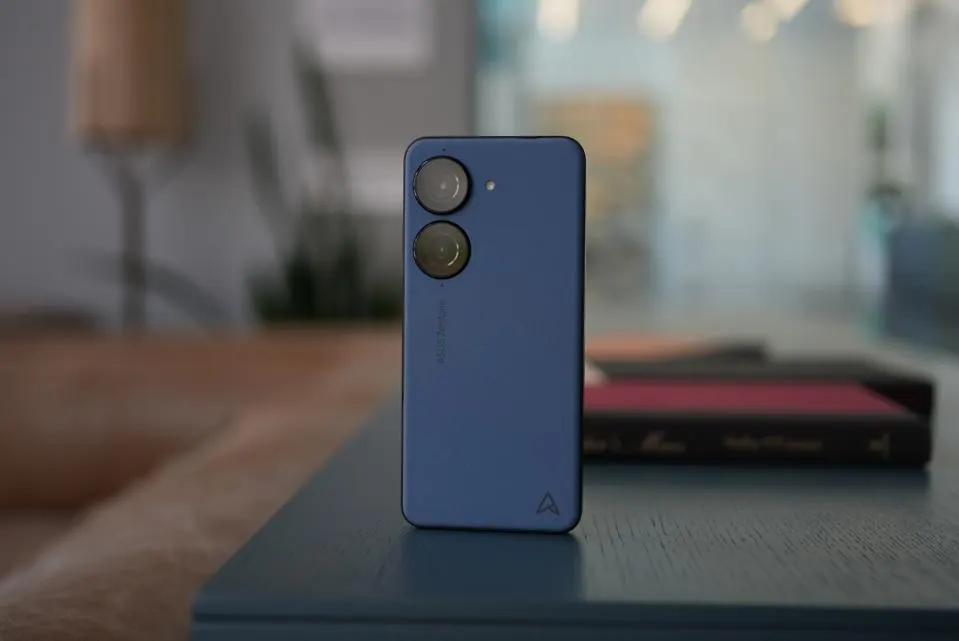
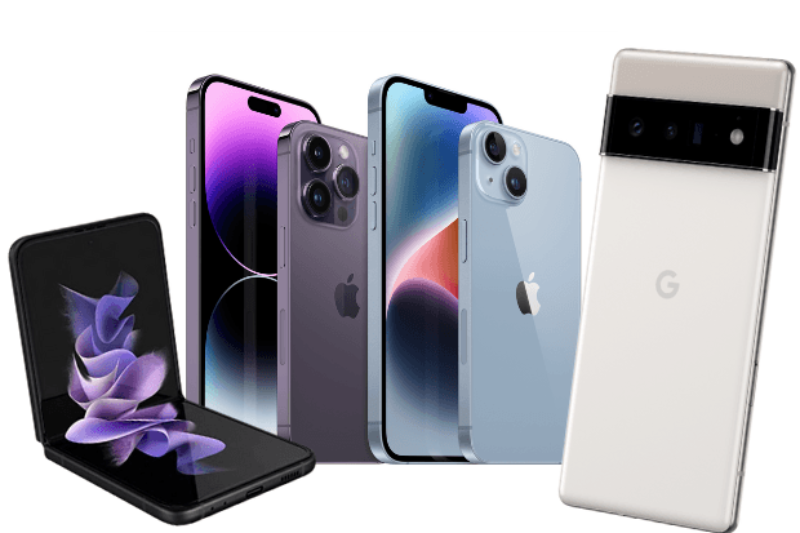
Smartphones have undoubtedly become an integral part of our daily lives. They’re not just devices for communication anymore, but powerful computers that fit right in our pockets. This article delves into the world of smartphones, their evolution, impact, and the future they promise.
History and Evolution
From Bricks to Slim Devices
The first mobile phones, often referred to as “brick phones,” were bulky, heavy, and had limited functionality. It wasn’t until the early 2000s that we began to see the emergence of devices resembling today’s smartphones. The introduction of touchscreens, app stores, and high-speed internet connectivity have paved the way for the modern smartphone era.
Software Revolution
The smartphone’s evolution isn’t just about hardware. The emergence of operating systems like iOS and Android has transformed the way we interact with our devices. These platforms gave birth to app ecosystems, allowing third-party developers to create applications that enhance the smartphone experience.
Key Features and Capabilities
Versatile Cameras
Today’s smartphones boast multi-lens camera systems capable of taking professional-quality photos and videos. From portrait mode to 4K video recording, smartphones have become essential tools for budding photographers and filmmakers.
Connectivity and Communication
With the support of 4G, 5G, and Wi-Fi 6, smartphones offer seamless internet browsing, video streaming, and instant communication through messaging apps and social media platforms.
Gaming and Entertainment
High-resolution screens, powerful processors, and advanced graphics capabilities have turned smartphones into portable gaming consoles. They’re not just for casual games either; many smartphones can now handle graphic-intensive games that were previously reserved for PCs and gaming consoles.
Productivity on the Go
For professionals, smartphones offer a suite of productivity tools. From editing documents to virtual meetings and even coding, smartphones have blurred the line between desktop computing and mobile convenience.
The Impact of Smartphones on Society
Changed Communication Paradigms
The ubiquity of instant messaging apps and social media platforms on smartphones has transformed how we communicate. Face-to-face conversations and even voice calls have seen a decline in favor of texts, memes, and video snippets.
Rise of Mobile Commerce
Online shopping has shifted significantly towards mobile devices. With secure payment options and intuitive user interfaces, smartphones have made shopping just a tap away.
Digital Wellbeing Concerns
However, the constant connectivity comes with its challenges. Digital addiction, sleep disturbances, and even posture issues are emerging concerns due to prolonged smartphone usage.
The Future of Smartphones
Foldable and Flexible Displays
Manufacturers are experimenting with foldable screens that offer larger display areas without increasing the device’s footprint. This technology promises a fusion of smartphones and tablets, offering users a more versatile device.
AR and VR Integration
Augmented Reality (AR) and Virtual Reality (VR) are set to be more accessible, with smartphones acting as gateways to these immersive experiences.
Sustainable and Ethical Production
With increasing awareness of environmental issues and the demand for ethical production, future smartphones may be more sustainable, using recycled materials and ensuring fair labor practices.
Conclusion
From humble beginnings as mere communication devices, smartphones have evolved into technological marvels that influence every aspect of our lives. As they continue to develop, one can only imagine the innovations the future holds. While they bring countless conveniences, it’s crucial to use them responsibly and ensure a balanced digital life.