1. China’s OpenKylin 1.0: A Step Towards Technological Independence
China’s recent unveiling of its “homegrown” open-source operating system, OpenKylin 1.0, marks a significant stride towards reducing its reliance on American technology. This move is not just about software; it’s a statement of intent, a demonstration of China’s ambition to be technologically self-reliant.
OpenKylin, which traces its origins back to 2001, is based on the Linux operating system. It has been developed by a community of approximately 4,000 developers and is already being utilized in critical sectors like China’s space program, finance, and energy. The name “OpenKylin” is derived from the mythical creature “Qi Lin,” which is believed to herald the arrival or passing of a sage.
However, upon closer inspection, it appears that OpenKylin is not entirely “homegrown.” Much of its source code is borrowed from the Linux distribution Ubuntu. This revelation raises questions about the extent of China’s technological independence. While leveraging existing technologies is common practice, it’s essential to recognize the difference between genuine innovation and adaptation.
2. Nvidia’s Alleged Pressure Tactics: The Battle for Dominance
The tech industry is rife with competition, and companies often employ various strategies to maintain or expand their market share. Nvidia, a giant in the GPU market, is rumored to be pressuring its board partners to avoid collaborating with Intel on its upcoming BattleMage cards. Such tactics, if true, highlight the intense rivalry and the lengths companies might go to protect their interests.
Intel’s BattleMage, initially designed to compete with Nvidia’s 4080, has reportedly faced developmental challenges, pushing its release to a later date. This delay, combined with Nvidia’s alleged tactics, paints a picture of an industry where innovation is both a race and a battlefield.
3. Google’s Med-PaLM-2: The Future of Medical Diagnostics?
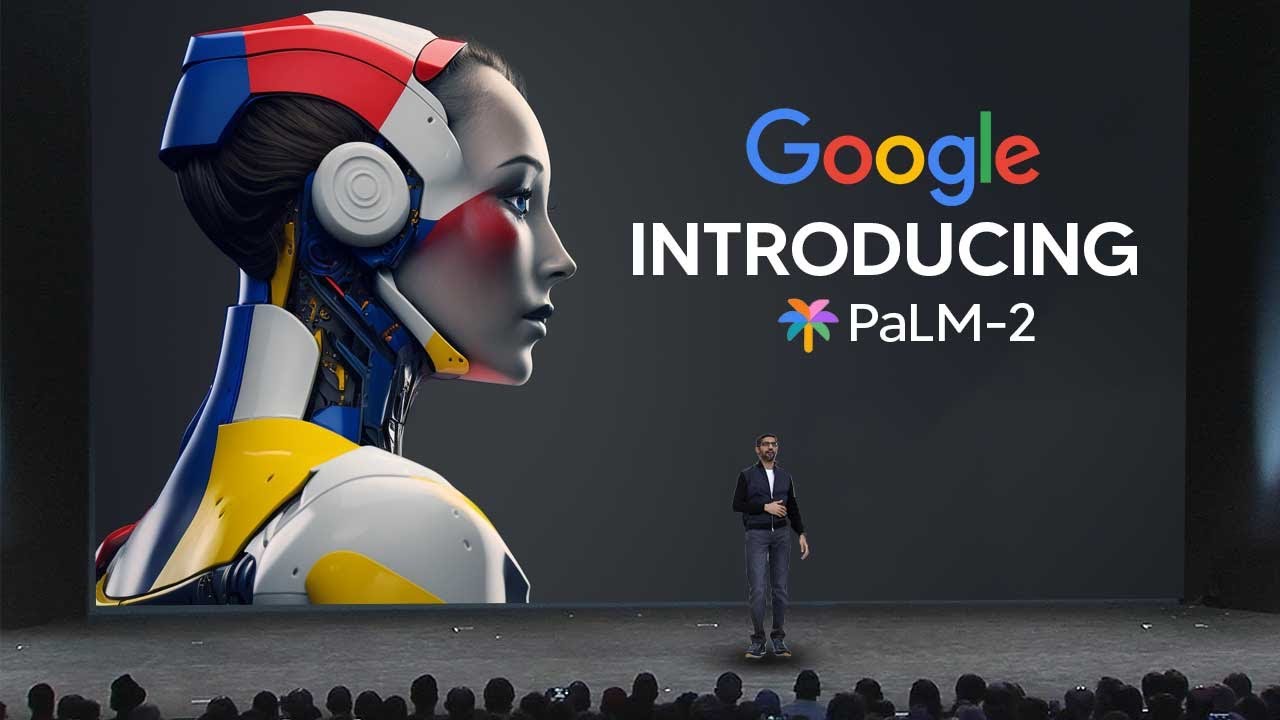
The medical field is on the cusp of a revolution, with AI playing a pivotal role in shaping the future of diagnostics and treatment. Google’s Med-PaLM-2, an AI chatbot, is being tested in hospitals, signaling a move towards AI-driven medical consultations.
Unlike general-purpose AIs, Med-PaLM-2 is specialized. It’s trained on medical licensing exams and expert demonstrations, making it a potential game-changer in countries with limited access to doctors. The collaboration with the Mayo Clinic, a renowned research hospital, further underscores the potential of this technology.
However, as with all AI-driven solutions, there are challenges. Reports suggest that Med-PaLM-2 occasionally provides more inaccurate content than human doctors. While AI can process vast amounts of data quickly, the nuances and complexities of medical diagnostics require a delicate balance of data and human judgment.
4. Tech Tidbits: From Emulation on Xbox to SSD Smuggling
- Emulation on Xbox Series: Developers have made it possible for users to run emulators on all Xbox Series consoles, not just those in developer mode. This move opens up a world of gaming possibilities, allowing users to revisit classic games on modern hardware.
- Denuvo’s Performance Impact: Denuvo, a digital rights management software, has been under scrutiny for its alleged negative impact on game performance. While some tests support this claim, others refute it, leading to a debate that underscores the complexities of DRM in gaming.
- NASA’s Valkyrie Robot: NASA’s advanced Valkyrie robot is heading to Australia, where it will perform remote caretaking tasks for Woodside Energy. This collaboration offers NASA a chance to test the robot’s capabilities in challenging environments, paving the way for its potential use in space missions.
- SSD Smuggling in China: In a bizarre incident, a smuggler was caught trying to enter mainland China with a stash of 420 M.2 SSDs. This event highlights the lengths individuals will go to capitalize on tech demand and the challenges authorities face in curbing such activities.